Product Description
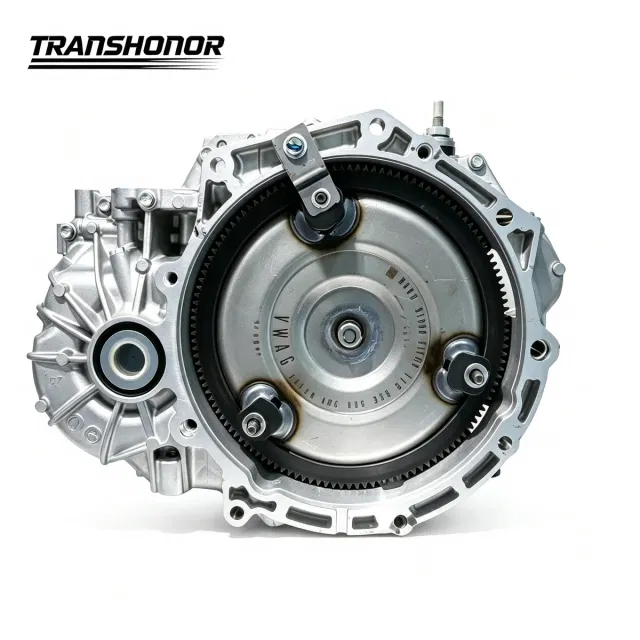
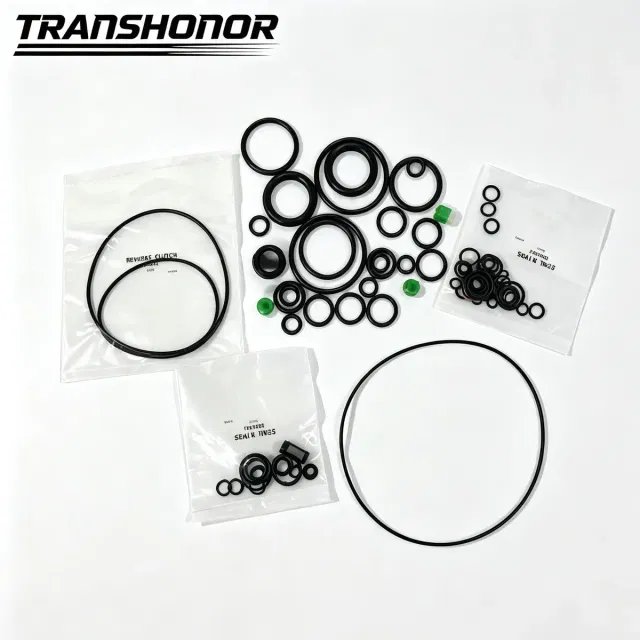
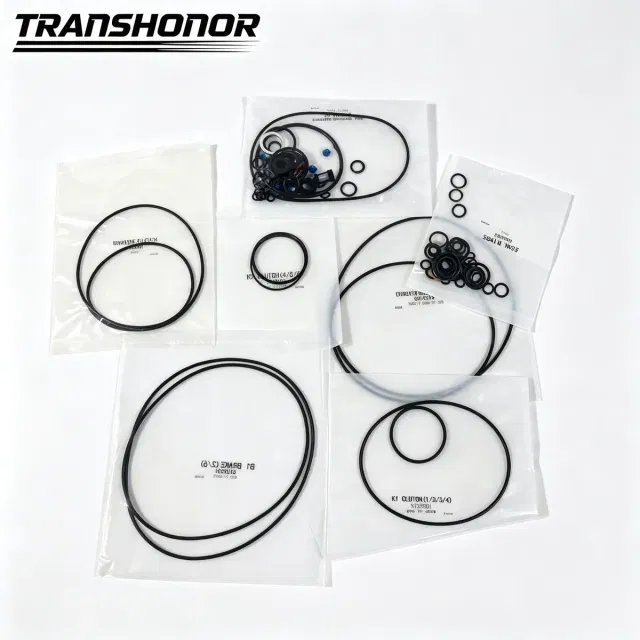
 The 09G automatic transmission seal kit consists of sealing components commonly used during transmission repairs, primarily designed to seal the internal hydraulic system and related assemblies.
By being installed on pistons, oil passages, and other designated sealing points, these seals prevent hydraulic fluid leakage, maintain the necessary internal operating pressure, and ensure the proper functioning of the clutch and hydraulic control system.
Over time, with prolonged use, these seals may undergo aging, hardening, deformation, or wear, which compromises their sealing performance. Consequently, it is standard practice to inspect and replace these components during repairs.
Hongao offers 09G automatic transmission seal kits, catering to overseas transmission repair shops, wholesalers, distributors, and automotive parts purchasers to support their transmission repair and remanufacturing operations.
Product Details
Product highlights
Sealing Function: Designed to seal internal transmission components and hydraulic systems. Hydraulic Pressure Maintenance: Helps minimize hydraulic fluid leakage at sealing points. Repair and Replacement: Suitable for transmission repair projects that meet the specified requirements. Multi-Point Sealing: Includes various sizes of sealing rings, depending on the specific kit configuration. Model Compatibility: Compatibility is determined based on the transmission model, part number, and seal specifications. B2B Wholesale Supply: Catering to overseas wholesalers, distributors, and professional repair businesses.
Sealing Function: Designed to seal internal transmission components and hydraulic systems. Hydraulic Pressure Maintenance: Helps minimize hydraulic fluid leakage at sealing points. Repair and Replacement: Suitable for transmission repair projects that meet the specified requirements. Multi-Point Sealing: Includes various sizes of sealing rings, depending on the specific kit configuration. Model Compatibility: Compatibility is determined based on the transmission model, part number, and seal specifications. B2B Wholesale Supply: Catering to overseas wholesalers, distributors, and professional repair businesses.
Common Sealing IssuesAfter prolonged operation, rubber seals in a transmission may age or become damaged due to factors such as temperature fluctuations, hydraulic pressure, and extended service life.
Typical issues include:- Aging or hardening of rubber seals.- Deformation or loss of elasticity in rubber seals.- Hydraulic fluid leakage at sealing points.- Abnormal internal hydraulic pressure.- Malfunctions during clutch engagement or gear shifting.During repairs, a comprehensive inspection should be conducted, covering pistons, valve bodies, oil passages, and other relevant sealing areas.Installation and Maintenance Recommendations- Verify the specifications and designated installation locations for the rubber seals before installation.- Inspect new rubber seals for any damage or deformation.- Clean the installation surfaces and seal grooves.- Use the appropriate transmission fluid for lubrication, as specified by repair requirements.- Ensure that rubber seals are not twisted, stretched, or damaged during installation.- After installation, check the sealing points and the operational status of the hydraulic system.


Typical issues include:- Aging or hardening of rubber seals.- Deformation or loss of elasticity in rubber seals.- Hydraulic fluid leakage at sealing points.- Abnormal internal hydraulic pressure.- Malfunctions during clutch engagement or gear shifting.During repairs, a comprehensive inspection should be conducted, covering pistons, valve bodies, oil passages, and other relevant sealing areas.Installation and Maintenance Recommendations- Verify the specifications and designated installation locations for the rubber seals before installation.- Inspect new rubber seals for any damage or deformation.- Clean the installation surfaces and seal grooves.- Use the appropriate transmission fluid for lubrication, as specified by repair requirements.- Ensure that rubber seals are not twisted, stretched, or damaged during installation.- After installation, check the sealing points and the operational status of the hydraulic system.