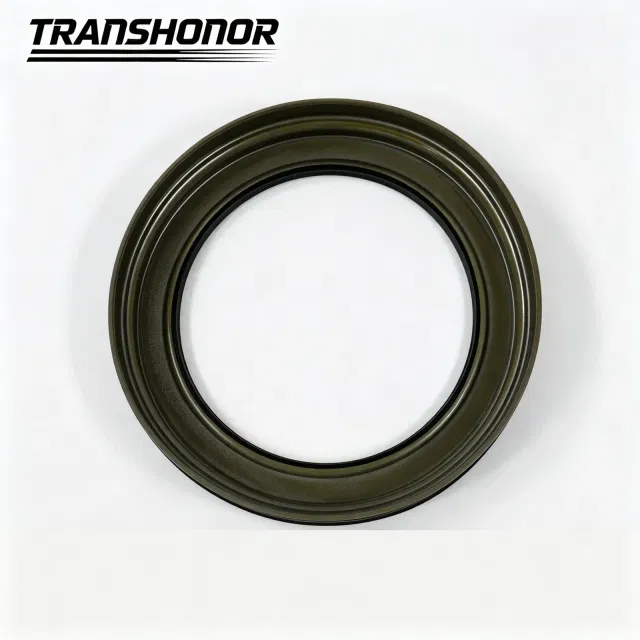
Product Description
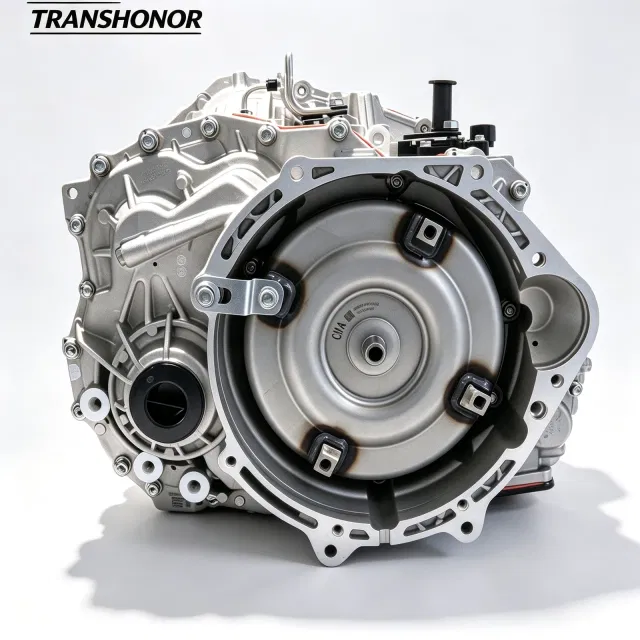
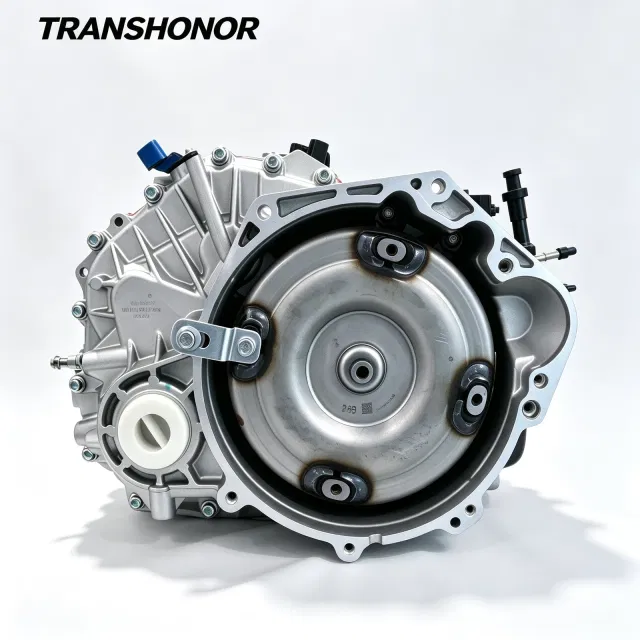
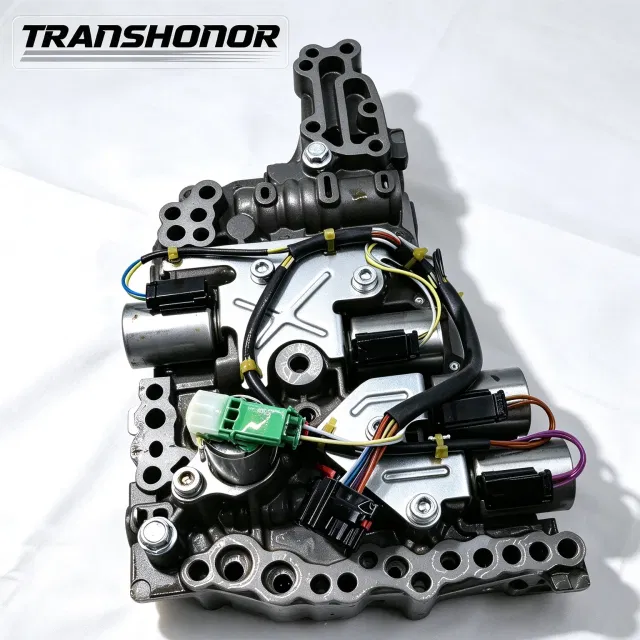
 The QR019CHA transmission piston is a component of the hydraulic actuation system within a CVT (Continuously Variable Transmission). It utilizes hydraulic pressure to drive the movement of the piston, which works in conjunction with internal friction components to perform the necessary engagement (clamping) and disengagement (releasing) actions. This part is suitable for the repair, refurbishment, and component replacement of the QR019CHA CVT.
Product Details
Product highlights
For internal repair of the QR019CHA CVT transmission Designed to work in conjunction with the hydraulic system and associated friction components Used for transmission disassembly, repair, and remanufacturing Suitable for repair shops, transmission remanufacturing companies, and wholesalers Bulk supply and export trade supported
For internal repair of the QR019CHA CVT transmission Designed to work in conjunction with the hydraulic system and associated friction components Used for transmission disassembly, repair, and remanufacturing Suitable for repair shops, transmission remanufacturing companies, and wholesalers Bulk supply and export trade supported
Common Repairs and Fault Scenarios
Wear, deformation, or poor sealing of the piston and its sealing surfaces can impair the proper operation of hydraulic actuators.
Common issues to check for include:
Wear or scoring on the piston surface
Deformation or damage to the piston
Aging or leakage at the piston sealing interfaces
Abnormal hydraulic pressure
Malfunctions in the engagement or release of associated friction components
These issues may also stem from problems with the oil circuit, solenoid valves, the oil pump, or other internal components; therefore, they should be evaluated in the context of a comprehensive transmission diagnostic procedure.
Installation and Maintenance Recommendations
Inspect the piston surface and sealing contact areas prior to installation.
Verify the piston dimensions, configuration, and installation orientation.
Examine the corresponding seals and hydraulic oil circuits.
Take care to avoid scratching the piston or its sealing surfaces during installation.
Perform assembly and testing in accordance with the repair specifications for the QR019CHA model.