Product Description
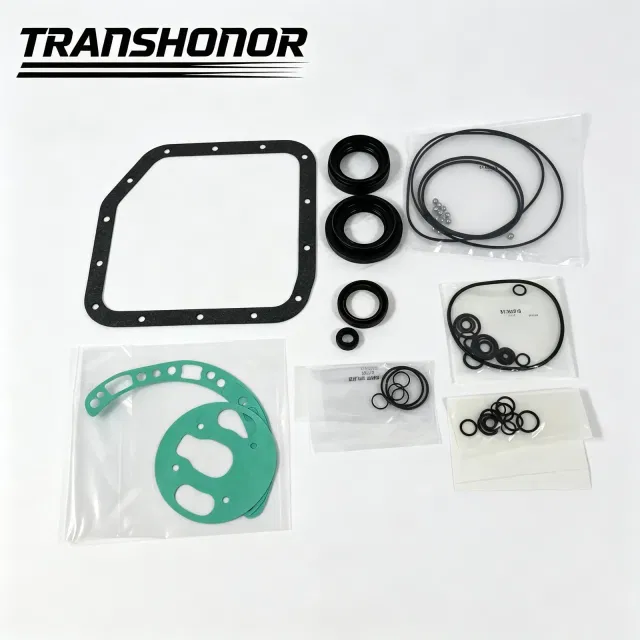
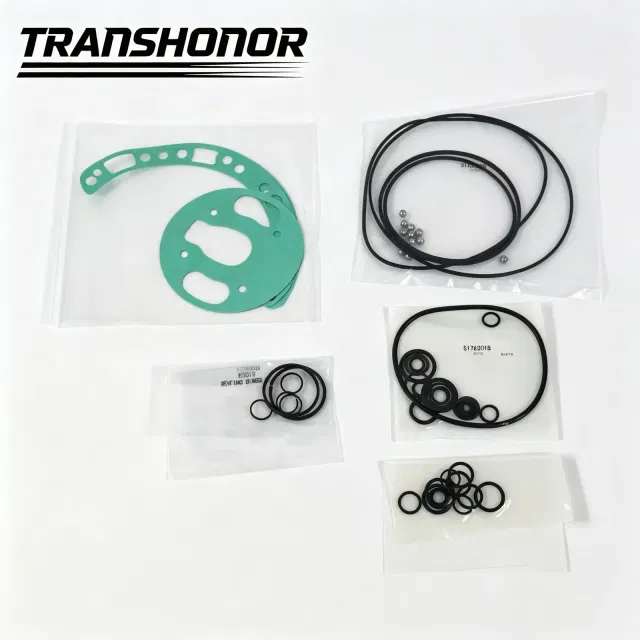
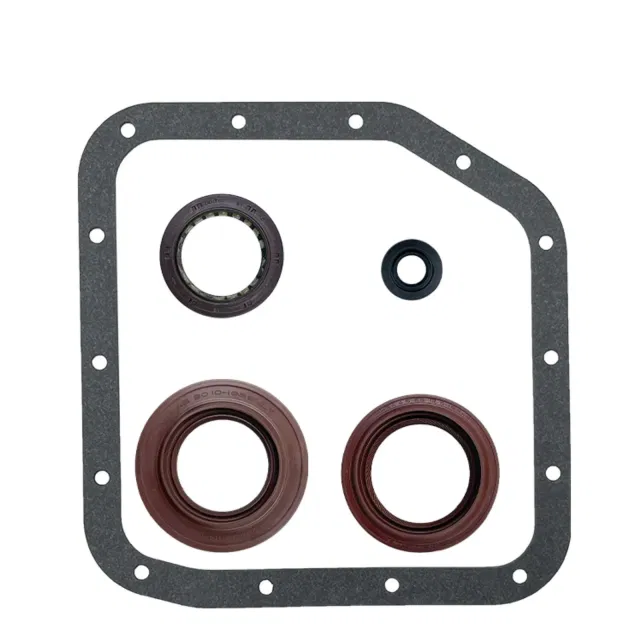
 RDC15 K176900B CVT transmission repair kit, used for repair and refurbishment of RDC15 continuously variable transmission. It is mainly used for seal replacement and maintenance after the gearbox is disassembled to help restore internal sealing performance and reduce hydraulic leakage caused by aging or damage of seals.
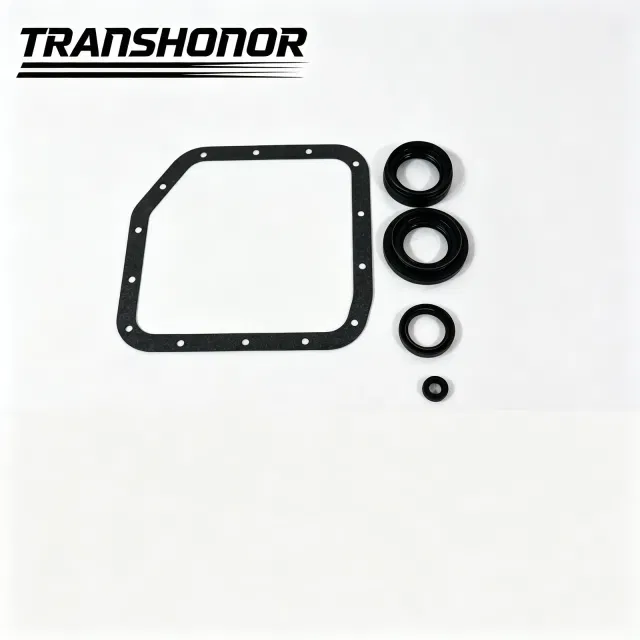
Product Details
Product highlights
Suitable for RDC15 CVT transmission repair For the replacement of internal transmission seals Ideal for transmission disassembly, repair, and overhauling/refurbishment Helps improve internal hydraulic sealing performance Bulk purchasing and export supply available
Suitable for RDC15 CVT transmission repair For the replacement of internal transmission seals Ideal for transmission disassembly, repair, and overhauling/refurbishment Helps improve internal hydraulic sealing performance Bulk purchasing and export supply available
Common Repairs and Fault Scenarios
After prolonged use, the internal seals of a transmission may age, harden, or become damaged. Common issues include:
Seal degradation, leading to hydraulic fluid leaks.
Poor sealing, resulting in a drop in system operating pressure.
Leaks in the hydraulic circuit, affecting pressure control for the conical pulleys (variator sheaves).
Abnormal shift response or unstable power transmission.
Insufficient internal pressure, which may cause the transmission to slip.
During repairs, the oil pump, valve body, conical pulleys, and hydraulic control system should be inspected as part of the diagnostic process.
VI. Installation and Maintenance Recommendations
Thoroughly clean all internal transmission components after disassembly.
Inspect old seals and their corresponding grooves for signs of wear.
Verify that the dimensions and structure of new seals match those of the old ones before installation.
Ensure that seals are not twisted or damaged during the installation process.
Check the condition of the oil pump, valve body, and hydraulic circuits.
Use only CVT-specific fluid that meets the transmission manufacturer's requirements.
Verify system pressure and operational performance after completing the installation.
