Product Description
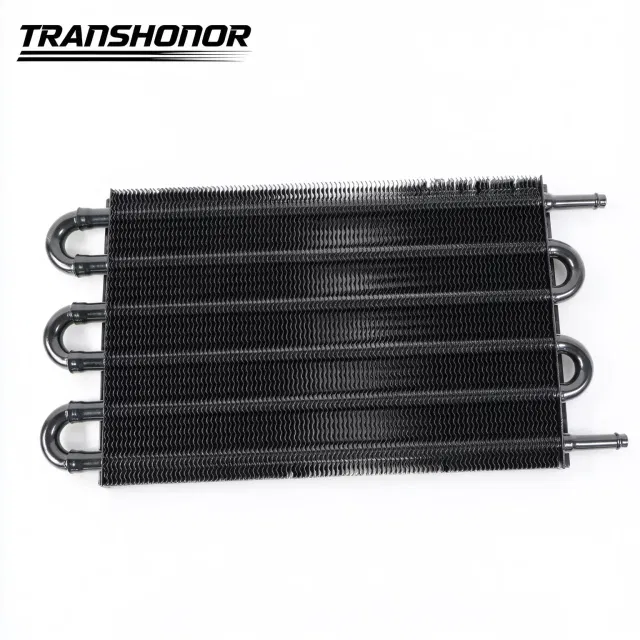
 An automatic transmission cooler is primarily designed to lower the temperature of the transmission fluid, helping the transmission maintain an optimal operating temperature through the circulation of the cooling fluid.
During transmission operation, heat is generated by clutch friction, gear meshing, and the activity of the hydraulic system. The cooler removes heat from the transmission fluid via a heat exchange process, thereby mitigating the adverse effects of high temperatures on internal friction plates, seals, and hydraulic components.
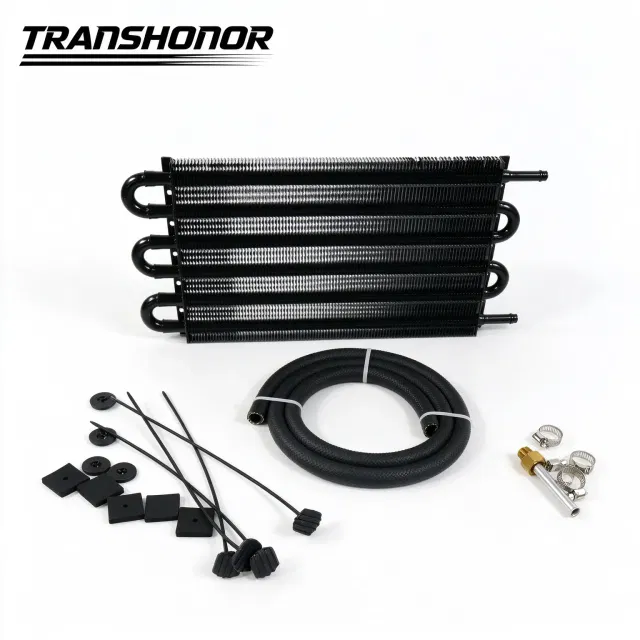
Hong Ao offers the TP1-0032 VH2 automatic transmission cooler, suitable for transmission repair, replacement, and the supply of related components.
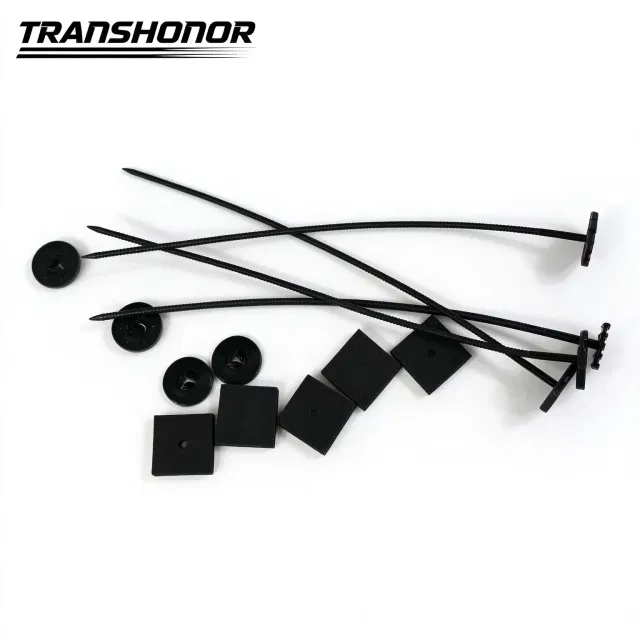
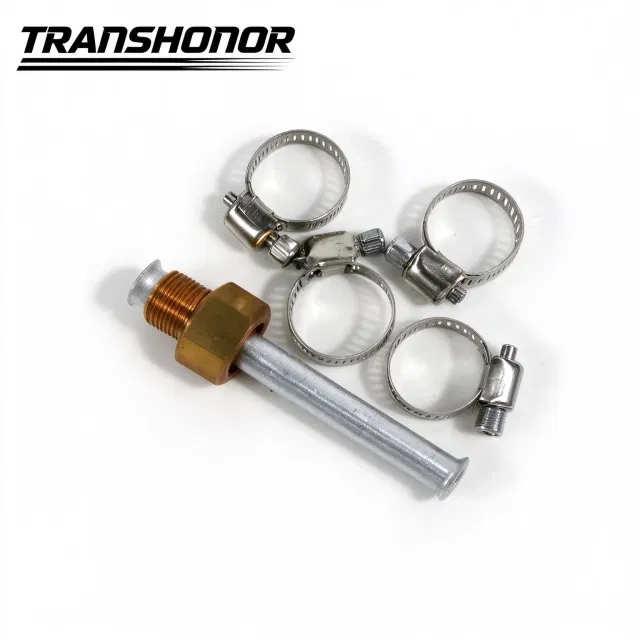
Product Details
Product highlights
Used for cooling automatic transmission fluid Helps regulate transmission operating temperature Improves heat dissipation for transmission fluid Suitable for transmission repair and replacement Available for bulk purchase and export supply
Used for cooling automatic transmission fluid Helps regulate transmission operating temperature Improves heat dissipation for transmission fluid Suitable for transmission repair and replacement Available for bulk purchase and export supply
Common Repairs and Fault Scenarios
1. Reduced Cooling Efficiency
Internal blockages within the cooler or dust accumulation on the external cooling fins can lead to an increase in transmission fluid temperature.
2. Transmission Fluid Leaks
Damage to the cooler unit itself, its ports, or sealing points can result in the loss of transmission fluid.
3. Internal Line Blockages
Impurities in the fluid or deposits accumulated over long-term use can impede the circulation of the transmission fluid.
4. Transmission Overheating
Insufficient cooling capacity can accelerate the degradation of the transmission fluid and increase wear on internal friction components.
5. Cooling System Malfunctions
Damage to oil lines, fittings, or connection points can disrupt the proper circulation of the transmission fluid.
8. Installation and Maintenance Recommendations
Verify the product part number and ensure it matches the specifications of the original cooler before installation.
Inspect the cooler’s exterior, ports, and mounting points.
Clean the transmission fluid cooling lines.
Check oil lines and fittings for signs of aging or leaks.
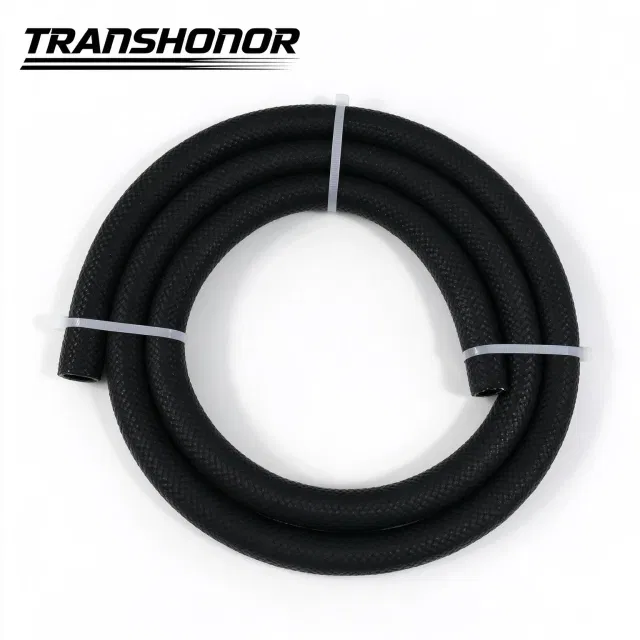
Connect the cooling lines in accordance with the vehicle manufacturer’s service requirements.
After installation, verify proper fluid circulation and ensure all connections are securely sealed.
Following repairs, check the transmission fluid level and operating temperature as specified.
