Product Description
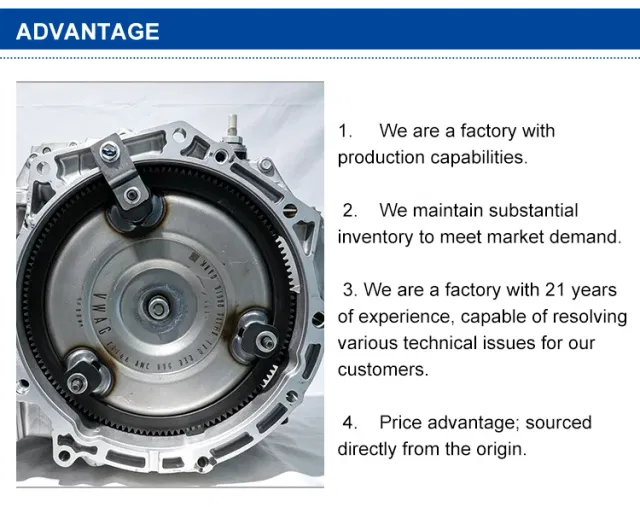
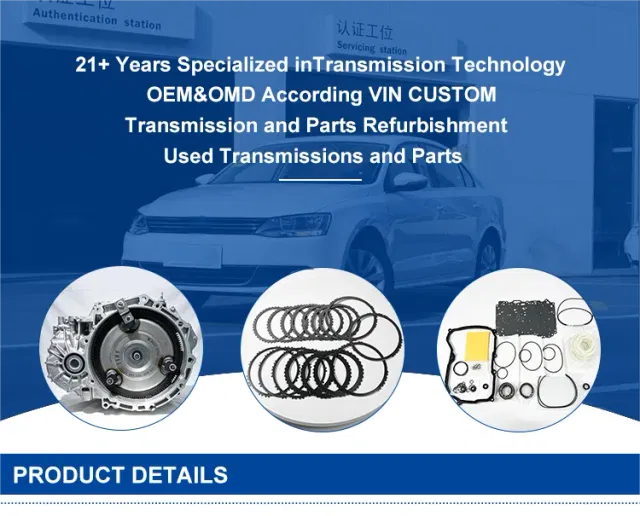 The DCT360 dual-clutch transmission (DCT) is an automatic transmission that utilizes a dual-clutch architecture. It employs two separate clutches to manage power delivery across different gears, enabling automatic gear shifting.
Unlike conventional automatic transmissions that rely on a torque converter, the DCT360 uses mechanical clutches integrated with an electro-hydraulic control system to manage clutch engagement, disengagement, and gear shifting.
The DCT360 transmission consists of several key components—including the clutch assembly, gear train, shift actuators, and control system—which work in coordination to facilitate power transmission in the vehicle.
Hong'ao provides procurement support for the DCT360 transmission and its related components, catering to overseas automotive parts wholesalers, transmission repair shops, distributors, and professional transmission remanufacturing enterprises.
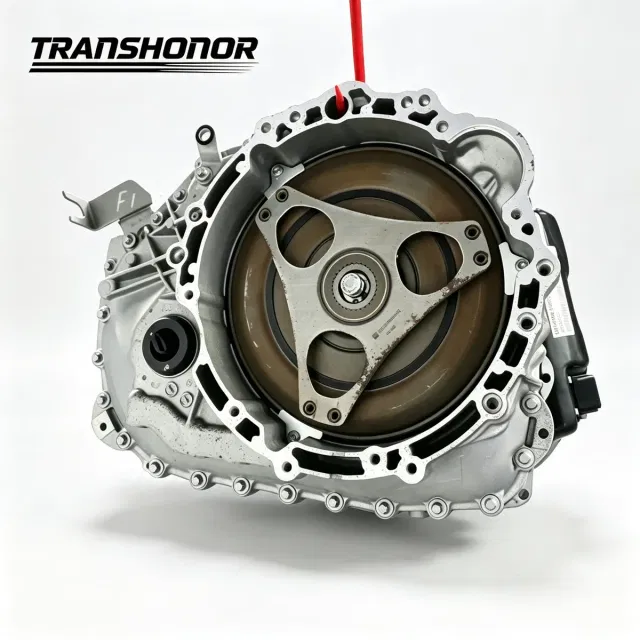
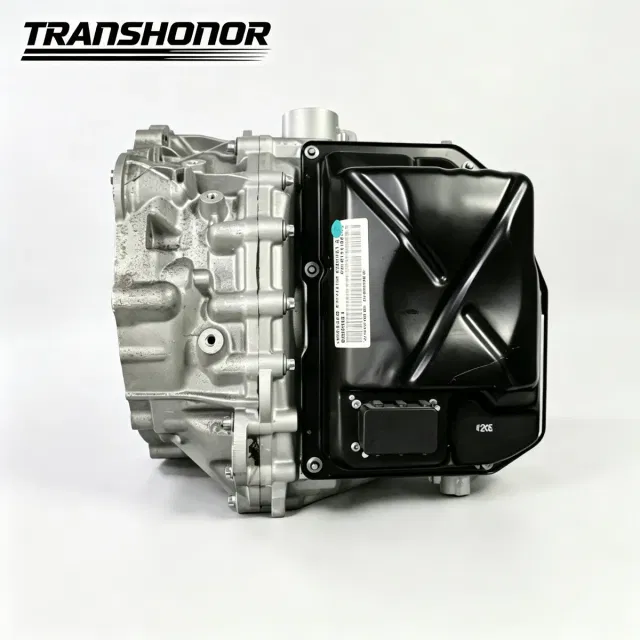
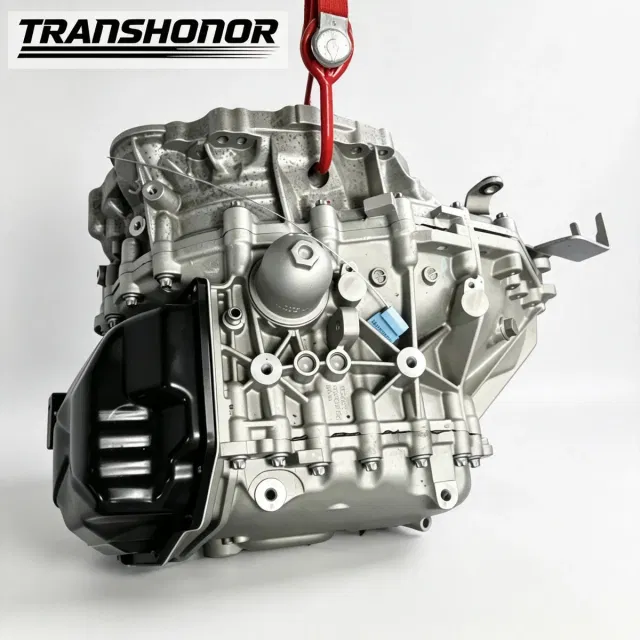
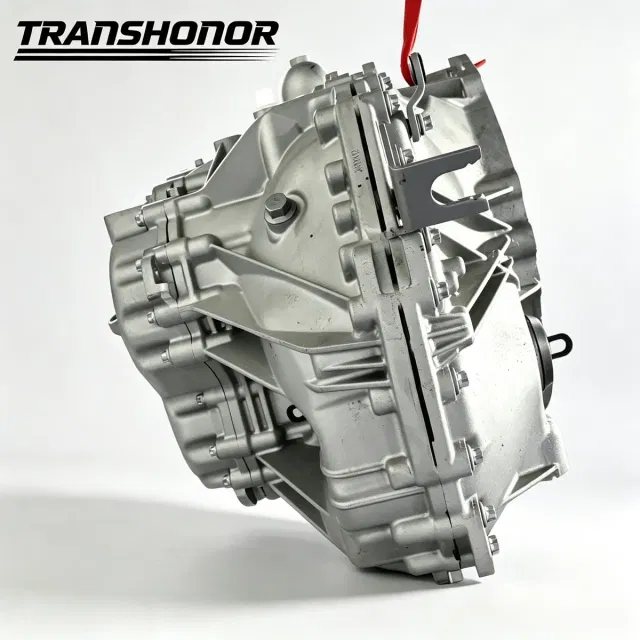
Product Details
Product highlights
Dual-Clutch Structure: Features a dual-clutch design to facilitate power transfer between different gear ratios. Automatic Gear-Shift Control: Employs a control system to coordinate the operation of the clutches and gear-shifting actuators. Mechanical Transmission System: Comprises gears, shafts, and related transmission components. Maintenance Parts Support: Transmission repair parts can be supplied to meet specific requirements. Model Identification: Compatibility is verified based on the transmission model, part number, and physical product details. B2B Supply: Catering to overseas wholesalers, distributors, and professional repair enterprises.
Dual-Clutch Structure: Features a dual-clutch design to facilitate power transfer between different gear ratios. Automatic Gear-Shift Control: Employs a control system to coordinate the operation of the clutches and gear-shifting actuators. Mechanical Transmission System: Comprises gears, shafts, and related transmission components. Maintenance Parts Support: Transmission repair parts can be supplied to meet specific requirements. Model Identification: Compatibility is verified based on the transmission model, part number, and physical product details. B2B Supply: Catering to overseas wholesalers, distributors, and professional repair enterprises.
During long-term operation, the DCT360 dual-clutch transmission may experience wear or performance degradation in its clutch, mechanical transmission system, and control components.
Common maintenance and inspection items include:- Wear of clutch friction components.- Abnormal clutch engagement or disengagement.- Malfunctions in the gear-shifting actuation mechanism.- Wear of gears and transmission components.- Irregularities in the hydraulic control system.- Aging or leakage of relevant seals.Determining the appropriate repair plan requires a comprehensive assessment, incorporating diagnostic trouble codes (DTCs), mechanical inspections, and control system testing.6. Installation and Maintenance Recommendations- Verify the transmission model and vehicle compatibility before installation.- Inspect the clutch and related mechanical components.- Follow the applicable service manual for disassembly and assembly procedures.- Use lubricants that meet the specific requirements of the transmission.- Perform necessary system diagnostics and calibration/matching after installation.- Check gear shifting, clutch engagement, and overall operational status.


Common maintenance and inspection items include:- Wear of clutch friction components.- Abnormal clutch engagement or disengagement.- Malfunctions in the gear-shifting actuation mechanism.- Wear of gears and transmission components.- Irregularities in the hydraulic control system.- Aging or leakage of relevant seals.Determining the appropriate repair plan requires a comprehensive assessment, incorporating diagnostic trouble codes (DTCs), mechanical inspections, and control system testing.6. Installation and Maintenance Recommendations- Verify the transmission model and vehicle compatibility before installation.- Inspect the clutch and related mechanical components.- Follow the applicable service manual for disassembly and assembly procedures.- Use lubricants that meet the specific requirements of the transmission.- Perform necessary system diagnostics and calibration/matching after installation.- Check gear shifting, clutch engagement, and overall operational status.