Product Description
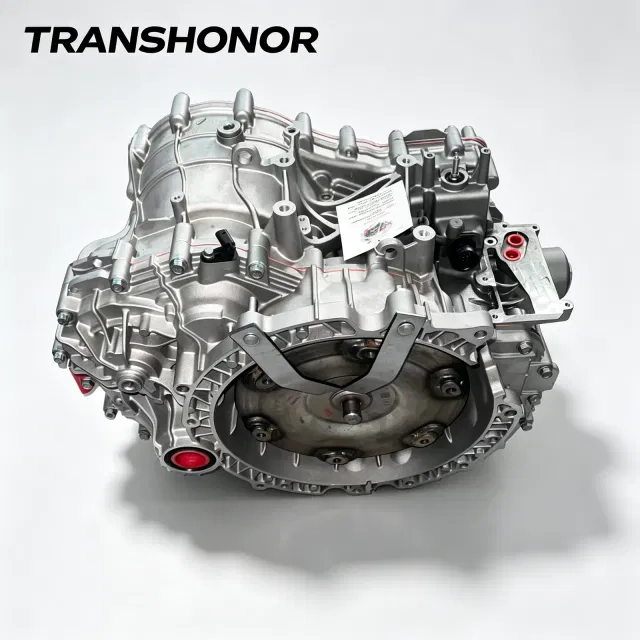
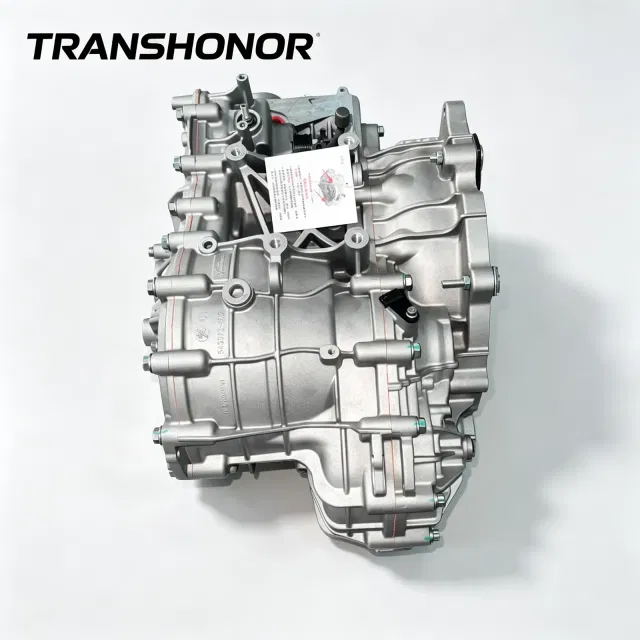
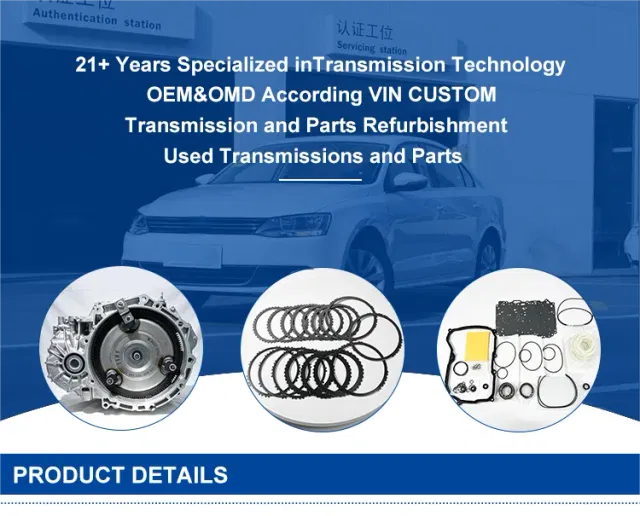 The Ford VT5 is a steel-belt continuously variable transmission (CVT) developed by Punch Powertrain. It utilizes a torque converter and a steel-belt drive mechanism, and is primarily used in select vehicle models equipped with 1.5T turbocharged engines.
By continuously adjusting the gear ratio, the VT5 keeps the engine within an optimal operating range, thereby enhancing the smoothness of power delivery and improving fuel economy.
Hongao supplies complete VT5 transmission units and related repair components, catering to overseas transmission repair shops, wholesalers, auto parts distributors, and professional procurement clients.
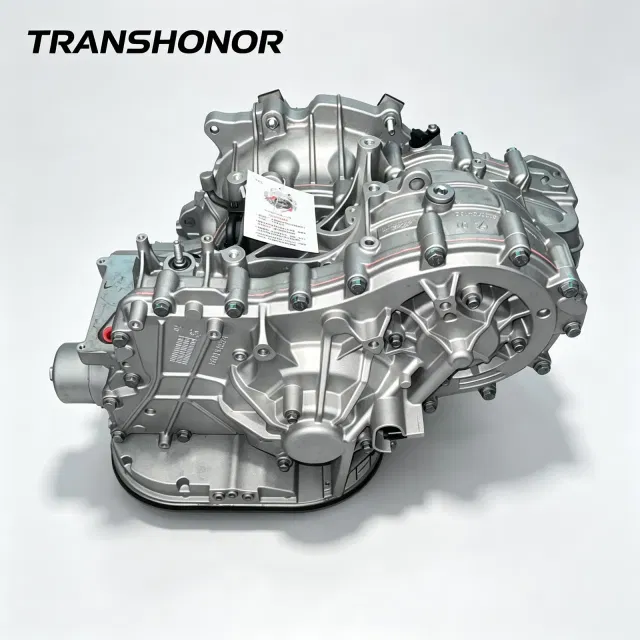
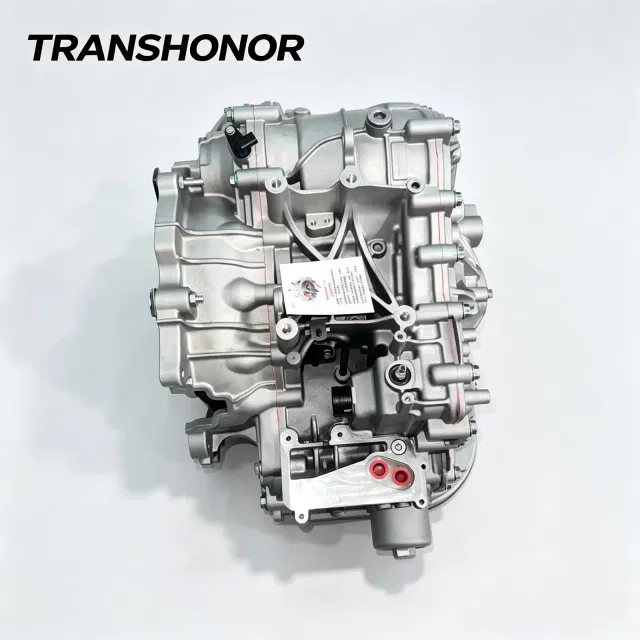
Product Details
Product highlights
CVT (Continuously Variable Transmission) Structure: Utilizes a steel-belt drive design to achieve continuous gear ratio adjustment. Torque Converter: Enhances smoothness during vehicle start-off and low-speed driving. Powertrain Compatibility: Suitable for use with certain 1.5T turbocharged engines. Transmission Efficiency: Optimizes gear ratios to help the engine maintain an ideal operating state. Repair Parts Availability: Components such as valve bodies, oil pumps, steel belts, pulleys, friction discs, pistons, and repair kits can be supplied; availability is subject to actual stock levels.
CVT (Continuously Variable Transmission) Structure: Utilizes a steel-belt drive design to achieve continuous gear ratio adjustment. Torque Converter: Enhances smoothness during vehicle start-off and low-speed driving. Powertrain Compatibility: Suitable for use with certain 1.5T turbocharged engines. Transmission Efficiency: Optimizes gear ratios to help the engine maintain an ideal operating state. Repair Parts Availability: Components such as valve bodies, oil pumps, steel belts, pulleys, friction discs, pistons, and repair kits can be supplied; availability is subject to actual stock levels.
Common Repairs and Fault Scenarios
1. Slippage during takeoff or abnormal power delivery
Potentially caused by wear on the steel belt, damage to the working surfaces of the pulleys, insufficient hydraulic pressure, or issues with clutch components.
2. Jerking or shuddering while driving
Potentially related to hydraulic pressure control within the valve body, malfunctioning solenoid valves, wear in the transmission system, or the condition of the transmission fluid.
3. Unusual noises from the transmission
Potentially caused by wear on internal components such as the steel belt, drive pulley, driven pulley, bearings, or the oil pump.
4. Vehicle fails to move forward or in reverse
Requires inspection of the hydraulic system, clutch actuation components, piston seals, and the control system.
5. Transmission overheating or warning alerts
Potentially caused by insufficient transmission fluid, a clogged radiator, poor fluid circulation, or abnormal internal friction.
8. Installation and Maintenance Recommendations
Verify the transmission model, nameplate number, and vehicle compatibility information before installation.
Inspect the transmission housing, oil pump, valve body, and connection points for any damage.
Use CVT-specific transmission fluid that meets the requirements for the specific model version.
Check the condition of the steel belt, pulleys, bearings, and hydraulic control components during installation.
Clean the oil passages and related components to prevent metal debris or impurities from entering the hydraulic system.
Perform fluid level checks, read diagnostic trouble codes (DTCs), and conduct a road test in accordance with the service manual.
