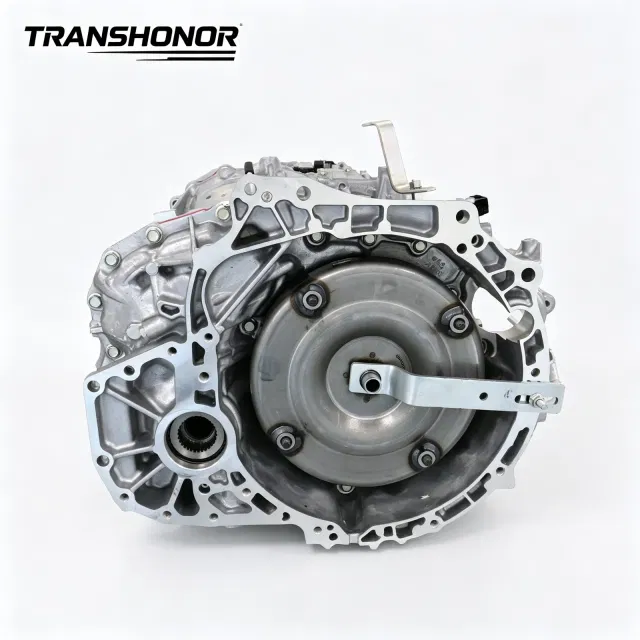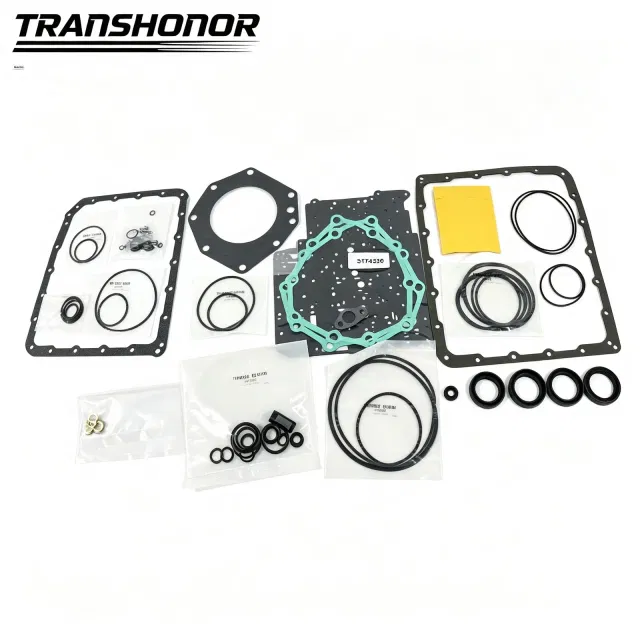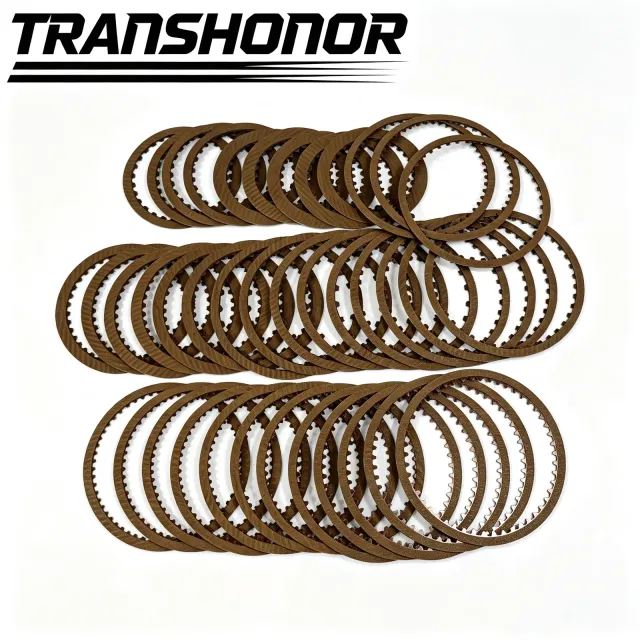
Product Description
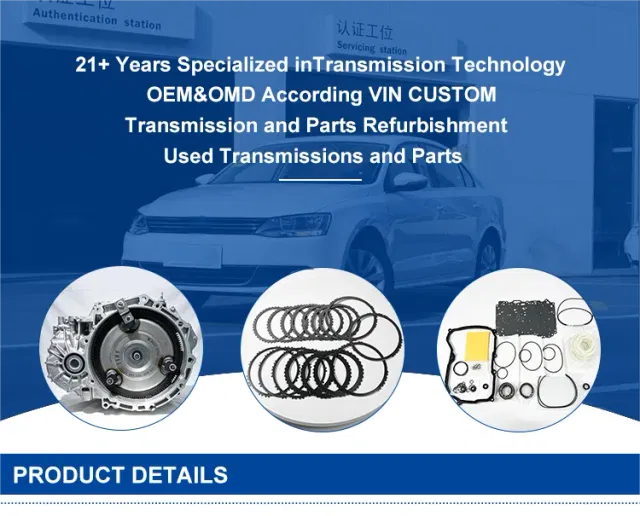 The RDC18 / VT2 / VT3 901100-0X CVT transmission chain is designed for the power transmission system within a continuously variable transmission (CVT). By engaging with the primary and secondary conical pulleys, it facilitates power transfer and enables continuous variation of the gear ratio. This component is suitable for CVT repair, overhauling, and parts replacement.
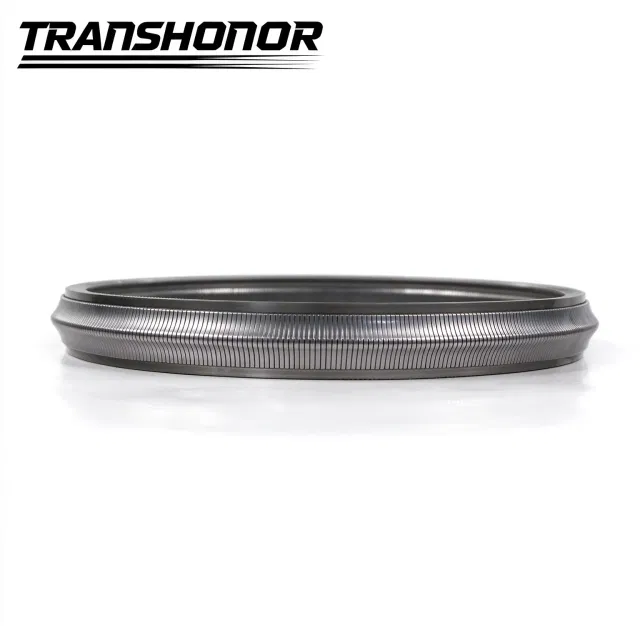
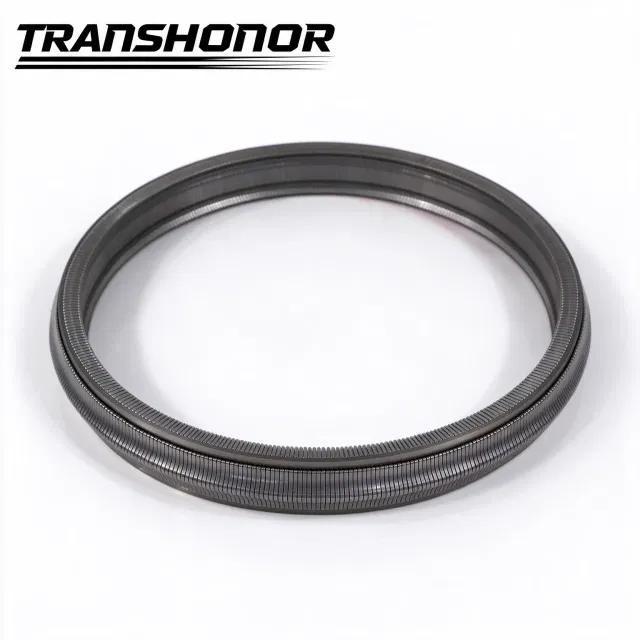
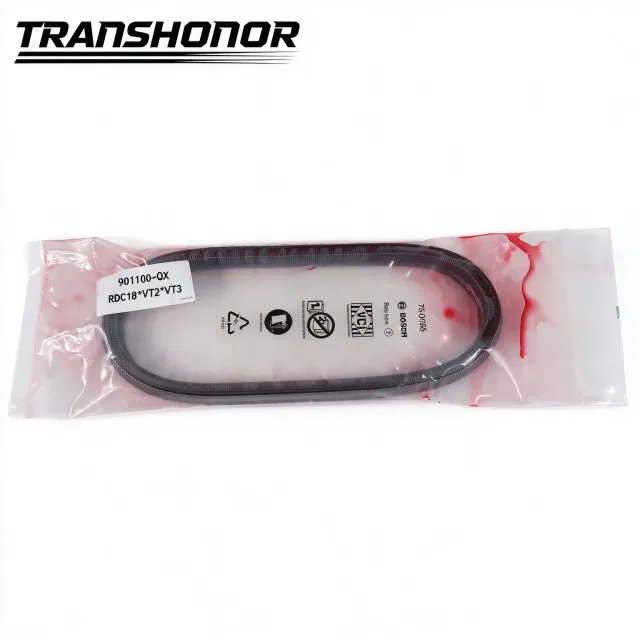
Product Details
Product highlights
For use in CVT (Continuously Variable Transmission) repair Involved in internal power transmission within the transmission Works with the conical pulley assembly to achieve continuous gear ratio changes Suitable for transmission disassembly, repair, and overhauling Available for bulk purchase by repair shops and wholesalers
For use in CVT (Continuously Variable Transmission) repair Involved in internal power transmission within the transmission Works with the conical pulley assembly to achieve continuous gear ratio changes Suitable for transmission disassembly, repair, and overhauling Available for bulk purchase by repair shops and wholesalers
Common Repairs and Fault Scenarios
After prolonged operation, a CVT chain may exhibit the following issues:
Chain wear, which reduces power transmission efficiency
Damage to chain links or contact surfaces, leading to abnormal transmission
Poor contact between the chain and the conical pulleys, potentially causing slippage
Abnormal chain wear, which may result in unusual noises
Accelerated wear of the chain and conical pulleys, potentially causing irregularities in gear ratio control
During repairs, the primary conical pulley, secondary conical pulley, bearings, and hydraulic control system should also be inspected.
VI. Installation and Maintenance Recommendations
Before installation, check the chain’s dimensions, structure, and wear condition.
Verify that the chain specifications match those of the primary and secondary pulleys.
Inspect the surfaces of the conical pulleys for scratches or abnormal wear.
Check the condition of the CVT fluid and the hydraulic system.
Follow repair specifications during installation to prevent the chain from being subjected to improper tension or damage.
Use CVT-specific fluid that meets the transmission manufacturer’s requirements.
After installation, perform necessary operational and gear-shifting tests.