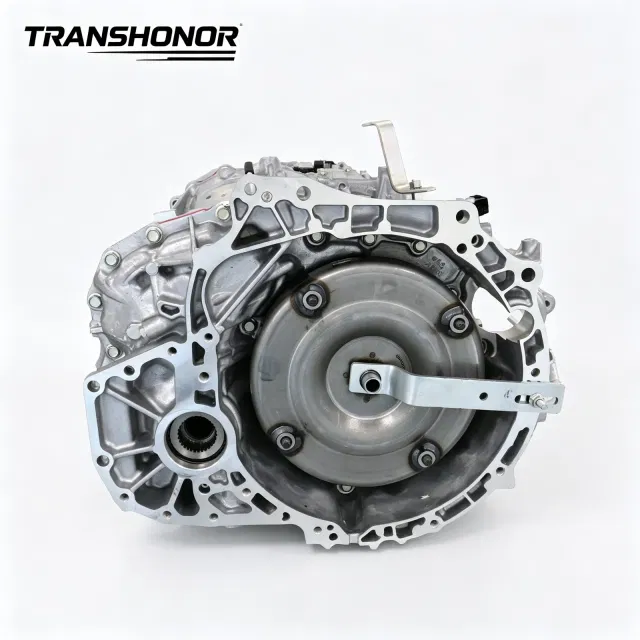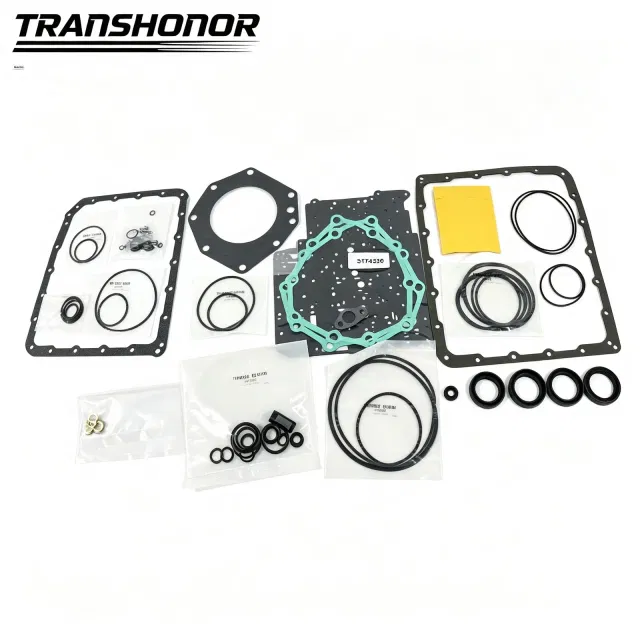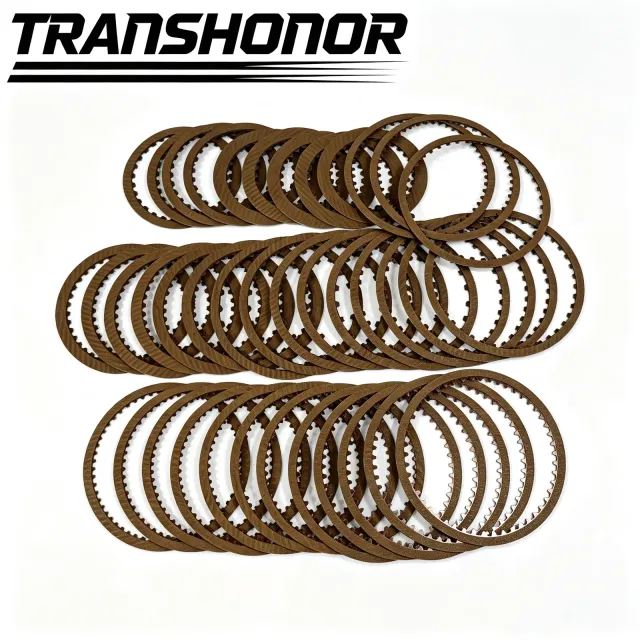
Product Description
 The RE4F03A automatic transmission brake band is a component of the transmission's internal braking mechanism. By engaging with specific rotating parts, it facilitates the braking and control of designated transmission elements. It is suitable for use in the repair, refurbishment, and overhauling of automatic transmissions.
II. Product Features
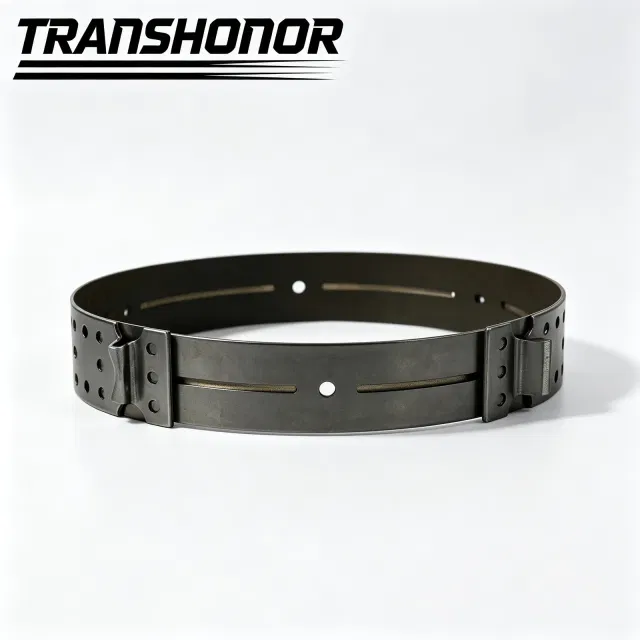
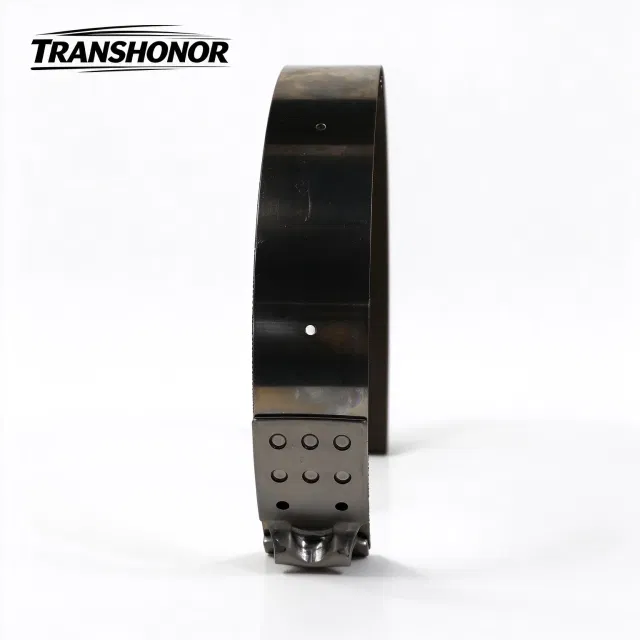
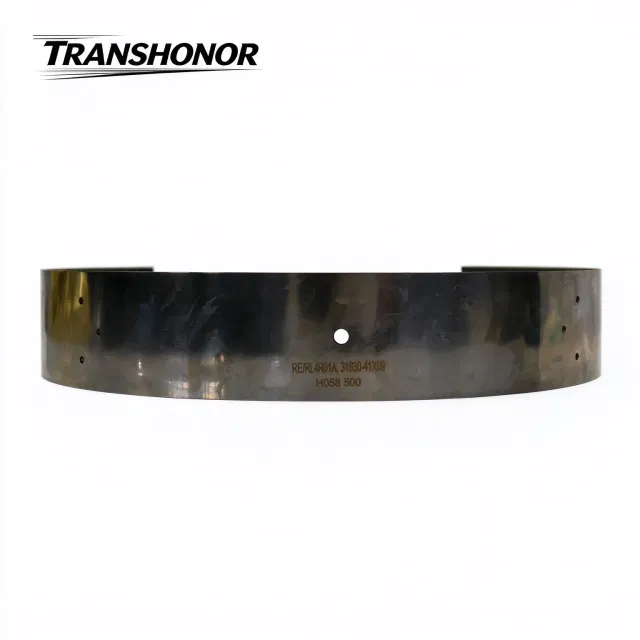
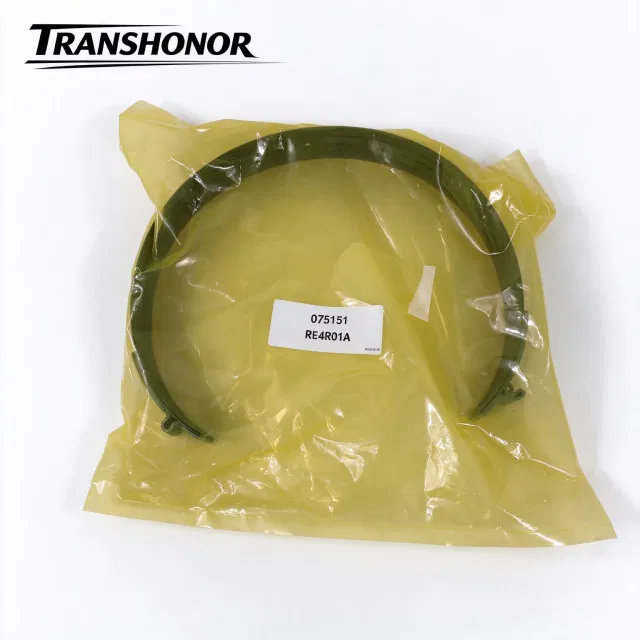
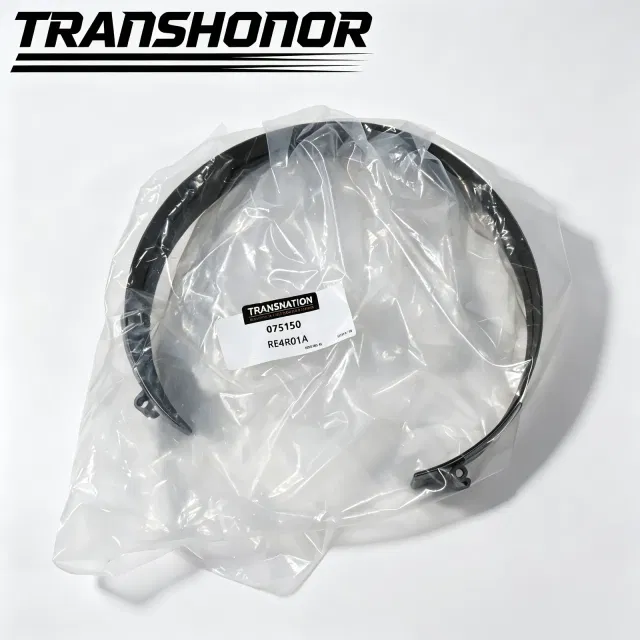
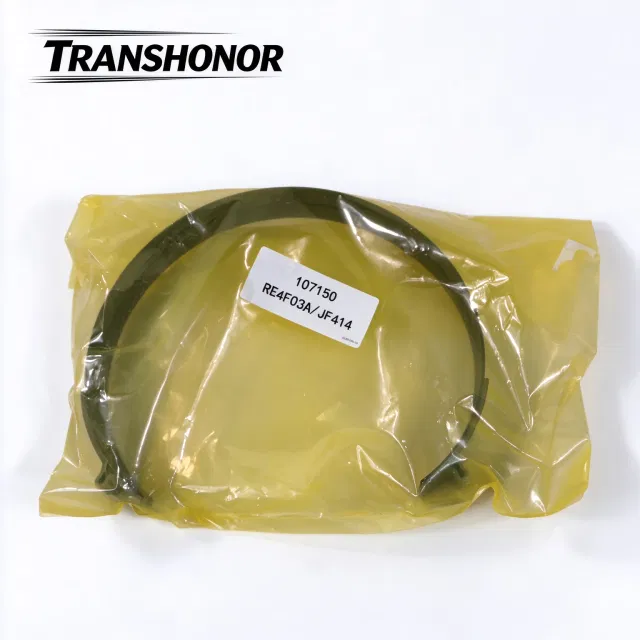
Product Details
Product highlights
For use in the repair of RE4F03A automatic transmissions Part of the internal braking assembly of the transmission Involved in the control of the internal transmission mechanism Suitable for transmission disassembly, repair, and overhauling Available for purchase by repair shops and wholesalers
For use in the repair of RE4F03A automatic transmissions Part of the internal braking assembly of the transmission Involved in the control of the internal transmission mechanism Suitable for transmission disassembly, repair, and overhauling Available for purchase by repair shops and wholesalers
Common Repairs and Faults
After prolonged operation, the brake band may develop the following issues:
Wear of the friction material, leading to reduced braking capacity
Ablation or damage to the surface of the brake band
Deformation of the brake band, affecting the braking clearance
Abnormal contact between the brake band and mating components
Instability in the braking mechanism, which may cause irregular gear shifting
During repairs, the brake drum, servo piston, and related hydraulic control components should also be inspected.
Installation and Maintenance Recommendations
Inspect the friction material and overall structure of the brake band before installation
Check the surface of the brake drum for signs of ablation or wear
Verify the dimensions and installation position of the brake band
Check the condition of the servo piston and its seals
Adjust the relevant clearances according to service specifications
Perform gear-shifting and road tests after assembly is complete