
Product Description
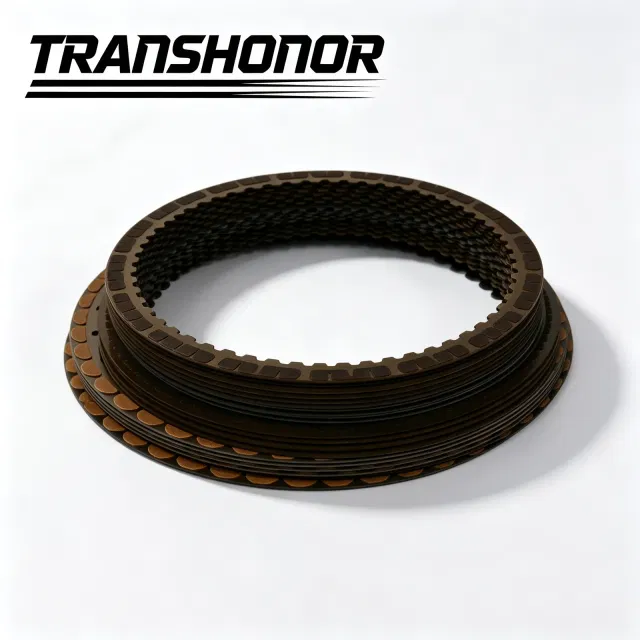
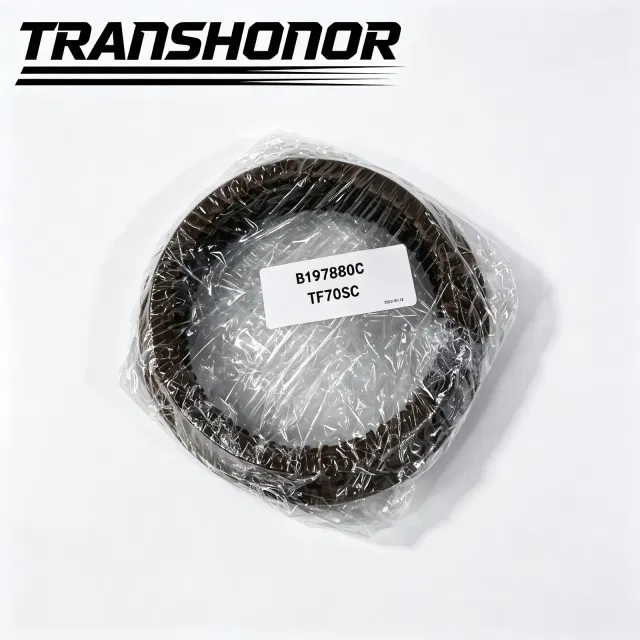
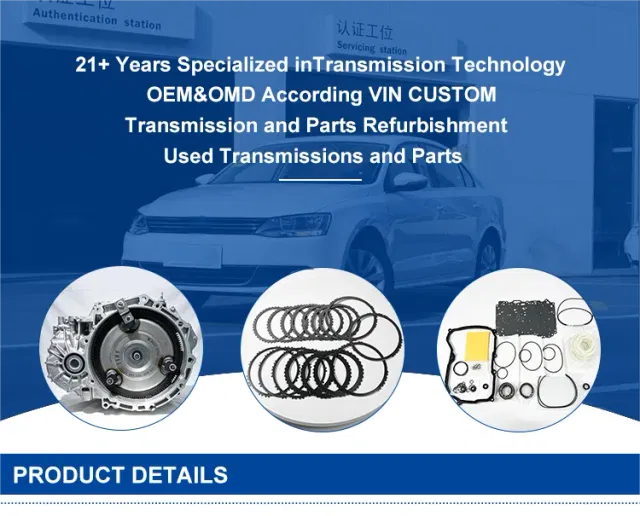 Repair and remanufacturing of internal clutch assemblies for automatic transmissions. Friction discs facilitate power transmission and gear shifting through frictional engagement; these components are suitable for procurement by transmission repair shops, remanufacturing facilities, and wholesalers.
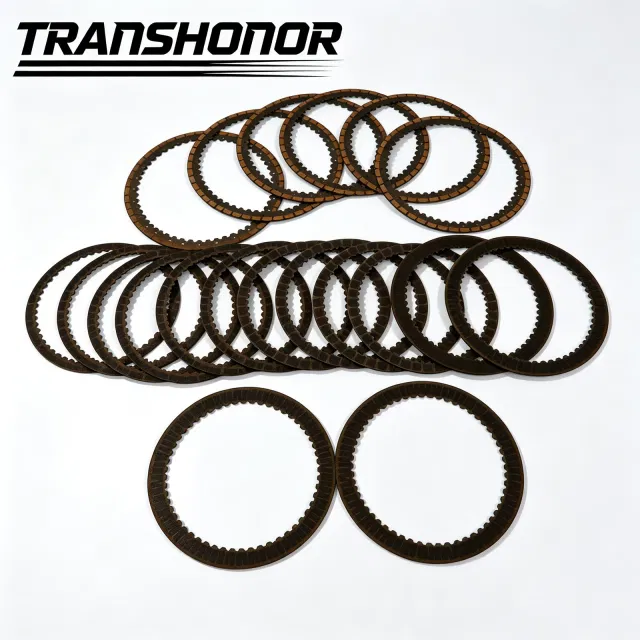
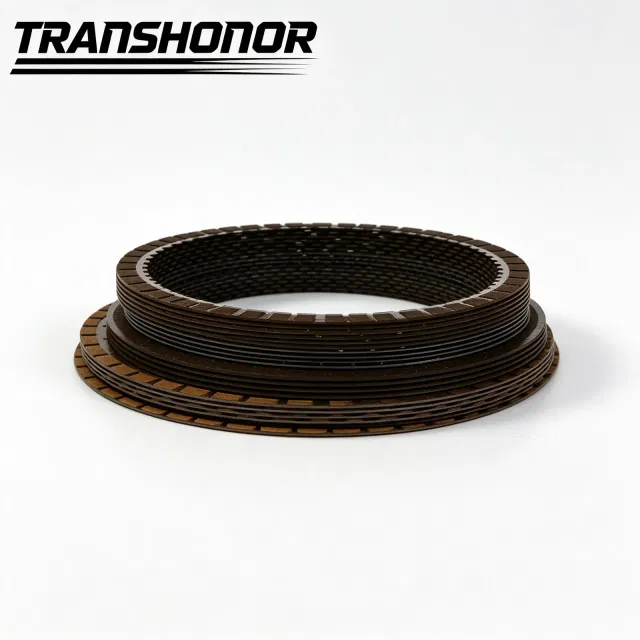
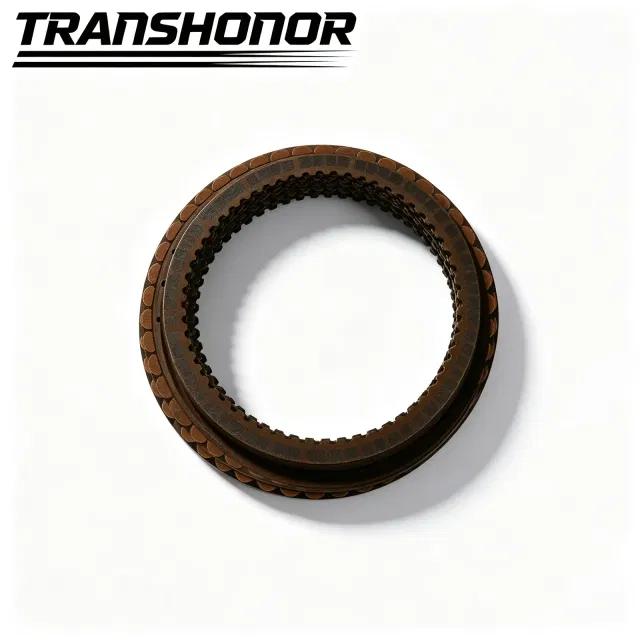
Product Details
Product highlights
Suitable for TF70SC automatic transmission repair Designed for internal clutch friction components Used in conjunction with steel plates to form clutch packs Supports transmission disassembly, repair, and overhauling Available for bulk procurement and export supply
Suitable for TF70SC automatic transmission repair Designed for internal clutch friction components Used in conjunction with steel plates to form clutch packs Supports transmission disassembly, repair, and overhauling Available for bulk procurement and export supply
Common Repairs and Fault Scenarios
After prolonged operation, the internal friction discs of a transmission may exhibit the following issues:
Wear of the friction material, leading to reduced clutch engagement capacity.
Ablation or discoloration of the friction discs, which impairs power transmission.
Surface damage to the friction discs, potentially causing harsh gear shifts (shift shock).
Severe wear of the friction discs, which may result in slippage or abnormal power transmission.
Improper clearance within the clutch pack, which can negatively affect shifting performance.
During repairs, the friction discs, steel plates, and related clutch components should be inspected for wear.
Installation and Maintenance Recommendations
Inspect the surface condition and dimensions of the friction discs prior to installation.
Verify the clutch clearance in accordance with the specific service standards for the transmission.
Check the mating steel plates for signs of ablation, deformation, or wear.
Examine the condition of the pistons, seals, and the hydraulic system.
Use only the specific automatic transmission fluid (ATF) required by the transmission manufacturer.
Perform necessary testing and shift quality checks after installation is complete.
