Product Description
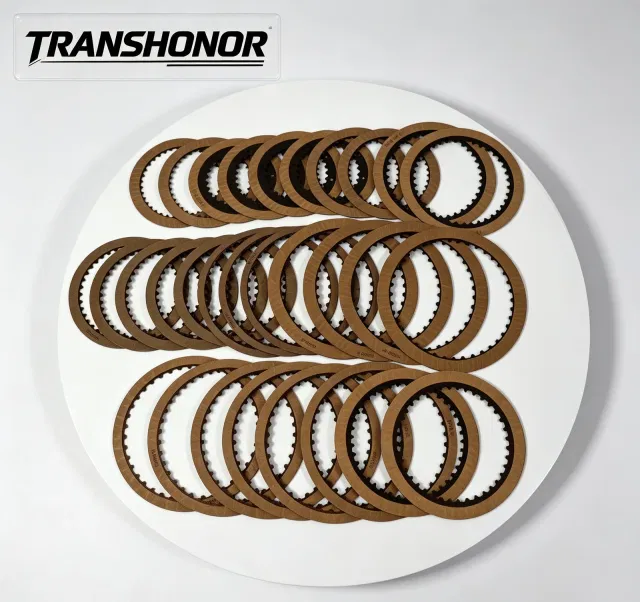
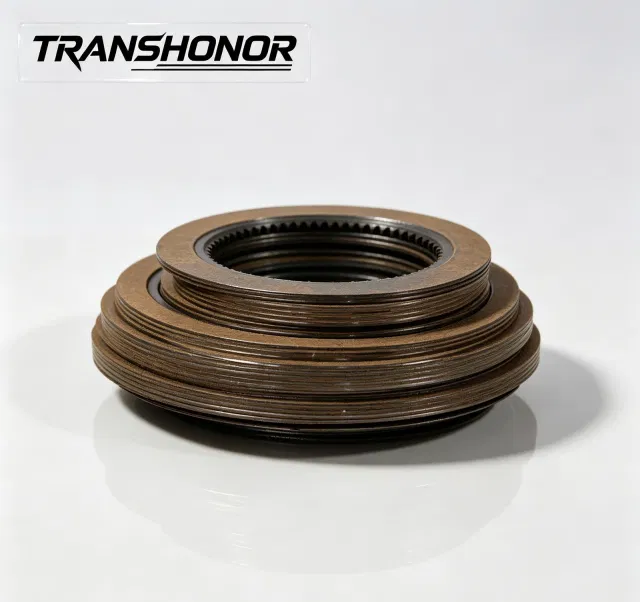
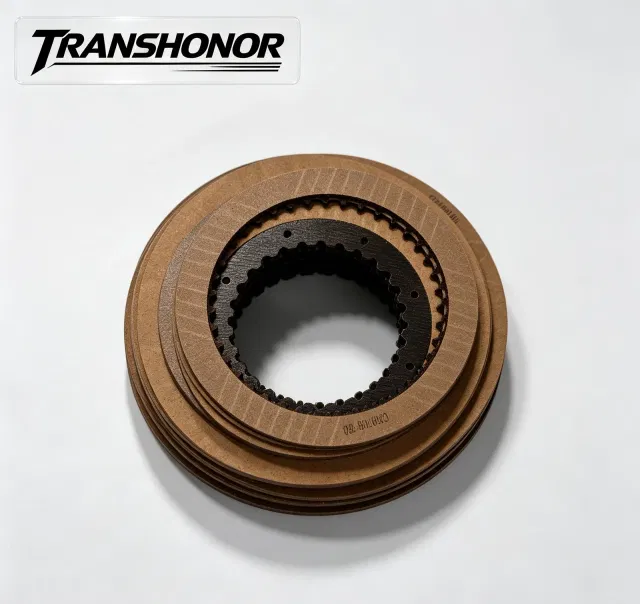
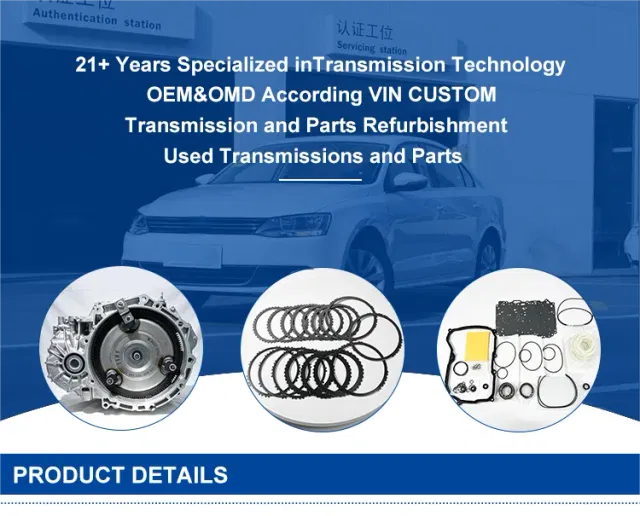 The friction discs for the U151E automatic transmission serve as critical friction elements within the internal clutch assemblies. Arranged in an alternating pattern with steel plates, they facilitate the engagement and disengagement of the clutches via hydraulic pressure, thereby enabling power transmission across different gear ratios.
Over time, these friction discs are subjected to friction, high temperatures, and the effects of the transmission fluid’s condition. This can lead to wear, thermal degradation (scorching), or the detachment of friction material—all of which can impair the transmission's shifting performance.
Hong Ao offers U151E automatic transmission friction discs and related repair components, catering to overseas transmission repair shops, wholesalers, and automotive parts distributors.
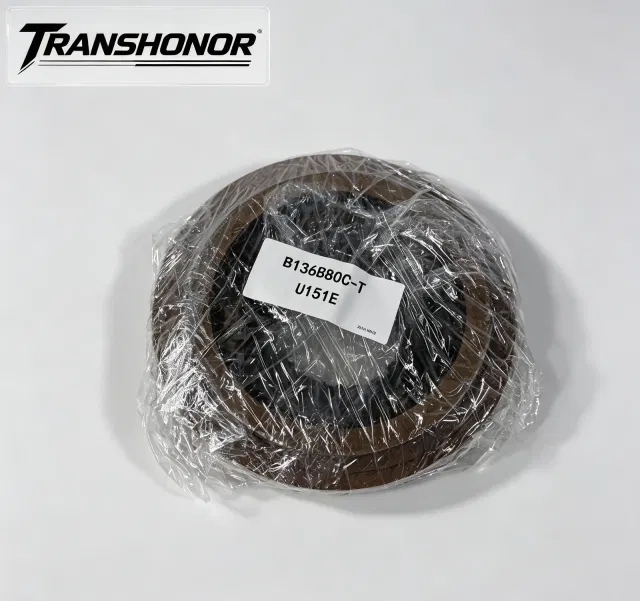
Product Details
Product highlights
For internal repair of Toyota U151E automatic transmissions Works with steel plates to form clutch friction assemblies Facilitates power transmission and disengagement within the clutch Suitable for transmission repair and overhauling Available for bulk purchase and export supply
For internal repair of Toyota U151E automatic transmissions Works with steel plates to form clutch friction assemblies Facilitates power transmission and disengagement within the clutch Suitable for transmission repair and overhauling Available for bulk purchase and export supply
Common Repairs and Faults
1. Clutch Slippage
Wear or ablation (burning away) of friction material can lead to a reduction in clutch engagement force.
2. Harsh Shifting (Shift Shock)
Wear on friction discs or abnormal frictional characteristics can compromise smooth gear transitions.
3. Delayed Engagement
Wear in clutch friction components, combined with issues in the hydraulic system, can result in a delay in power engagement.
4. Friction Disc Ablation (Burning)
Prolonged exposure to high temperatures, continuous slippage, or abnormal hydraulic pressure can cause the friction material to overheat and sustain damage.
5. Transmission Fluid Contamination
Debris generated by the wear of friction material can contaminate the transmission fluid; in severe cases, this may be accompanied by a burnt odor.
8. Installation and Maintenance Recommendations
Verify the U151E transmission version and the specific friction disc specifications prior to installation.
Inspect steel plates for signs of burning, deformation, or scoring.
Check the condition and operation of the clutch drum and piston.
Ensure the correct sequence of friction discs and steel plates, as specified in the service manual.
Verify that the clearances within the clutch assembly meet service specifications.
Inspect the oil pump, valve body, and hydraulic system to prevent abnormal hydraulic pressure from causing recurring damage (burning).
Use automatic transmission fluid (ATF) that meets the requirements for the specific vehicle and transmission.