Product Description
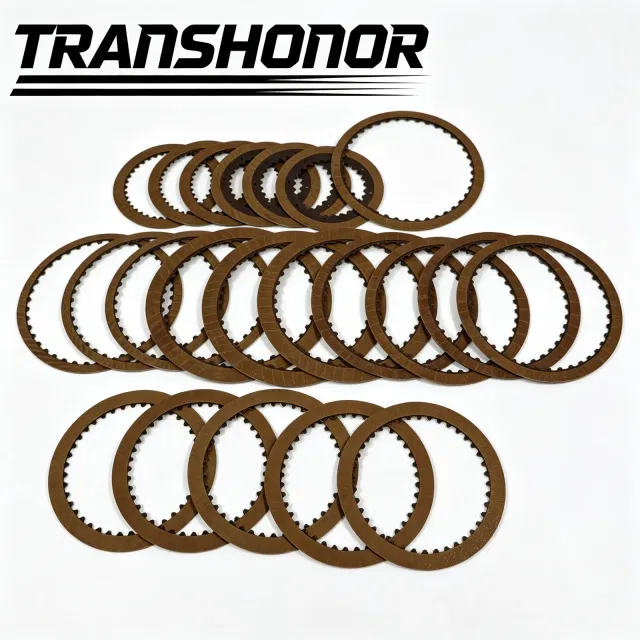
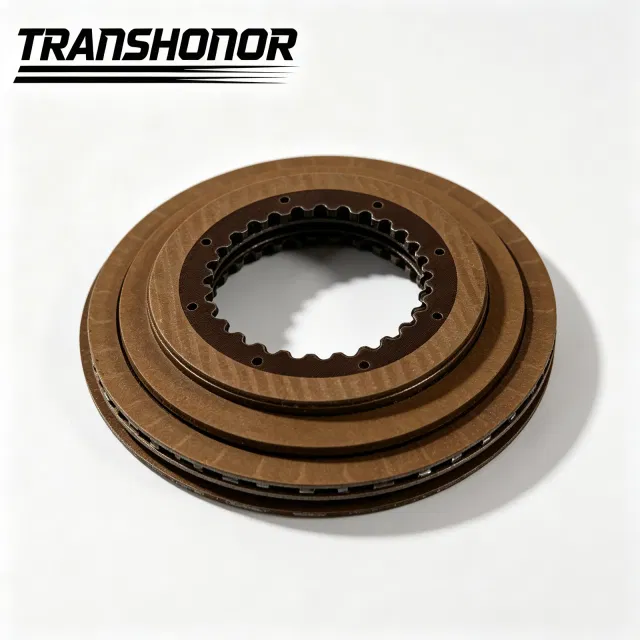
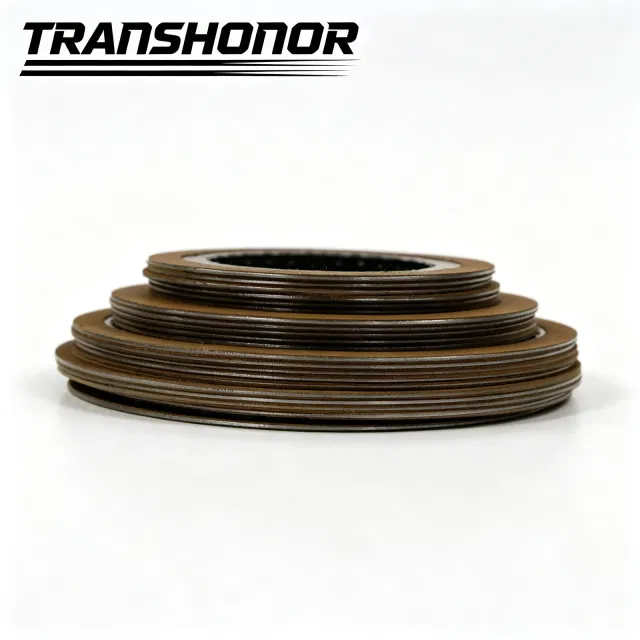
 The friction discs for the U241E automatic transmission serve as critical friction elements within the internal clutch and brake assemblies. Arranged in an alternating pattern with steel plates, they facilitate the engagement and disengagement of power through the application of hydraulic pressure.
Over extended periods of operation, these friction discs are subjected to friction, heat, and the effects of the transmission fluid, which can lead to wear, scorching, or the detachment of friction material—all of which can impair the transmission's ability to shift gears correctly.
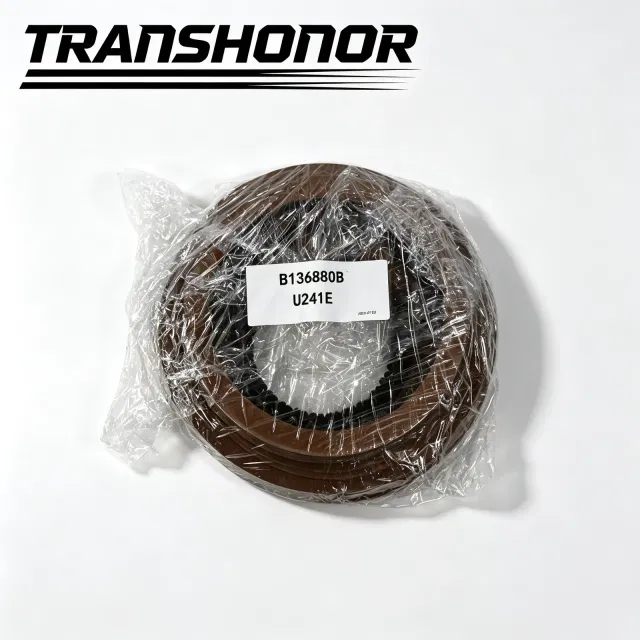
Hong Ao offers friction discs for U240E and U241E automatic transmissions, suitable for transmission repair, overhauling, and bulk parts procurement.
Product Details
Product highlights
Compatible with Toyota U240E / U241E automatic transmissions Designed for internal clutch and brake friction assemblies Works in conjunction with steel plates to facilitate power transmission and disengagement Suitable for transmission repair and overhauling Available for international wholesale and export supply
Compatible with Toyota U240E / U241E automatic transmissions Designed for internal clutch and brake friction assemblies Works in conjunction with steel plates to facilitate power transmission and disengagement Suitable for transmission repair and overhauling Available for international wholesale and export supply
Common Repairs and Faults
1. Clutch Slippage
Wear or ablation (burning away) of friction material can lead to a reduction in clutch engagement force.
2. Harsh Shifting (Shift Shock)
Abnormal surface conditions or degraded friction performance of the friction plates can compromise smooth gear shifting.
3. Delayed Engagement
Wear in the clutch friction components, combined with issues in the hydraulic system, can cause a delay in power engagement.
4. Friction Plate Ablation (Burning)
Prolonged exposure to high temperatures, abnormal oil pressure, or persistent slippage can cause the friction material to overheat and burn.
5. Darkened Transmission Fluid
Debris generated by the wear of friction material can contaminate the transmission fluid; in severe cases, this may be accompanied by a burnt odor.
8. Installation and Maintenance Recommendations
Verify the transmission model and friction plate specifications before installation.
Inspect steel plates for signs of burning, deformation, or scoring.
Check the condition and operation of the clutch drum and piston.
Verify friction plate clearances and the assembly sequence according to service requirements.
Prepare the friction plates in accordance with service specifications prior to installation.
Inspect the oil pump, valve body, and hydraulic system to prevent recurring burning caused by abnormal oil pressure.
Use automatic transmission fluid (ATF) that meets the specific requirements of the vehicle and transmission.