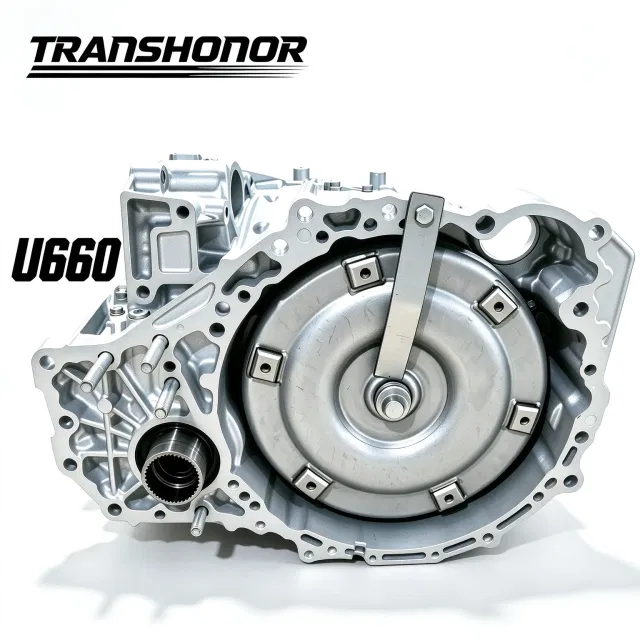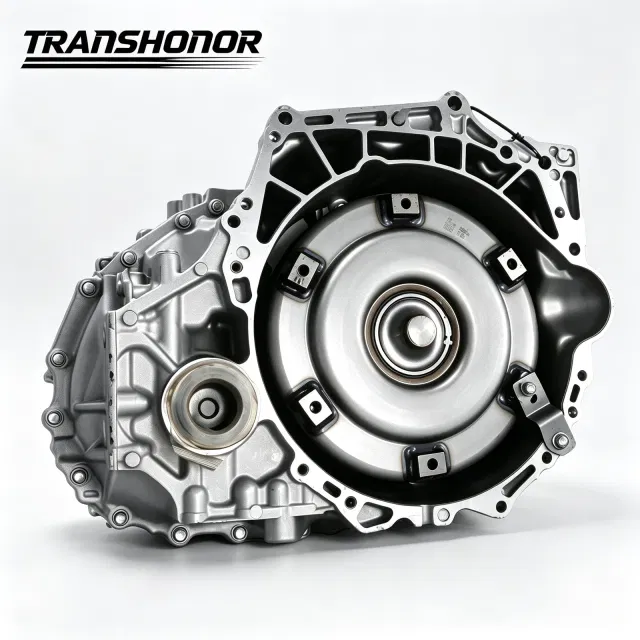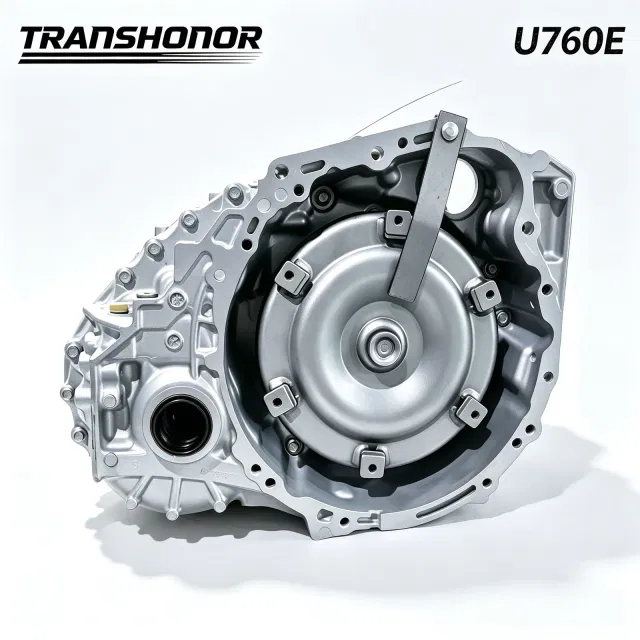
Product Description
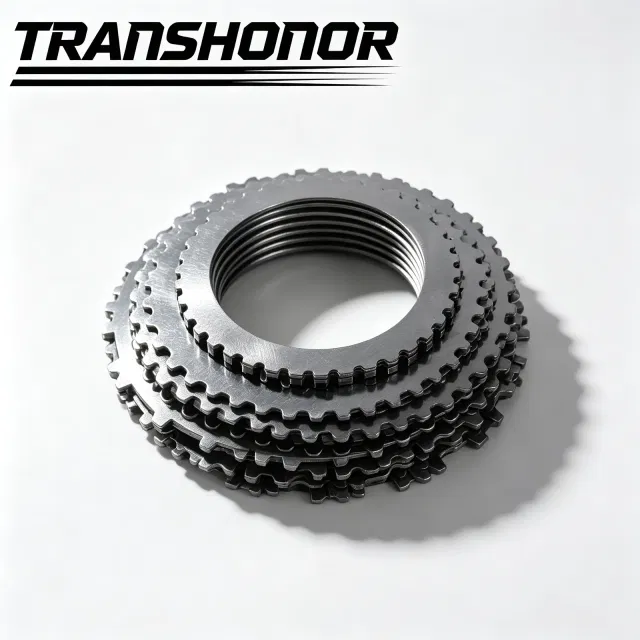
 The steel plates for the U241E automatic transmission serve as critical metal friction-mating components within the clutch assembly. Typically arranged in an alternating pattern with friction discs, these plates facilitate the engagement and disengagement of the clutch under hydraulic pressure.
The flatness, thickness, and surface condition of these steel plates directly influence the operating clearance and engagement performance of the clutch assembly. Issues such as thermal degradation (scorching), deformation, or wear can lead to clutch slippage, abnormal gear shifting, and an increase in internal operating temperatures.
Hong Ao supplies steel plates and related repair components for the U241E automatic transmission, catering to overseas repair shops, wholesalers, and automotive parts distributors.
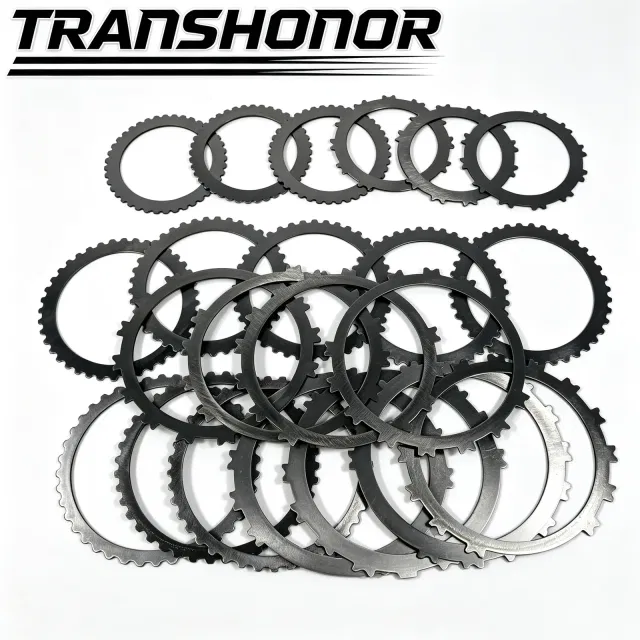
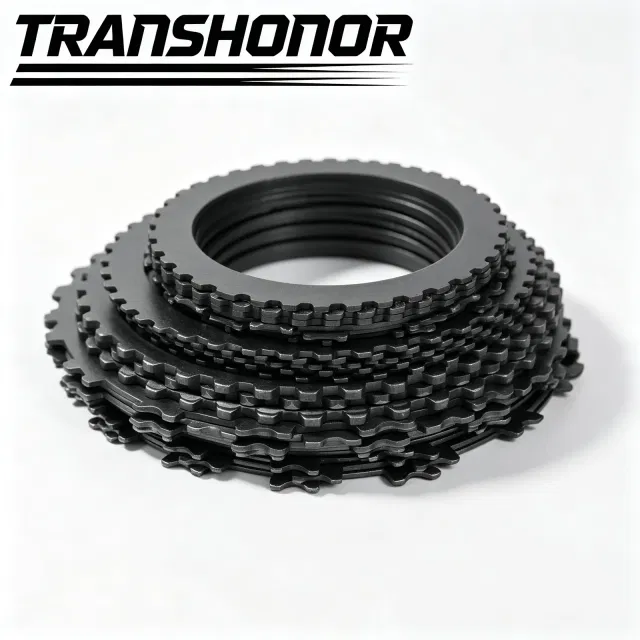

Product Details
Product highlights
For use in the clutch assembly of U241E automatic transmissions Designed for use in conjunction with friction discs Facilitates power transmission and disengagement within the clutch Suitable for transmission repair and overhauling Bulk purchasing and export supply available
For use in the clutch assembly of U241E automatic transmissions Designed for use in conjunction with friction discs Facilitates power transmission and disengagement within the clutch Suitable for transmission repair and overhauling Bulk purchasing and export supply available
Common Repairs and Faults
1. Steel Plate Ablation (Burning)
Prolonged exposure to high temperatures or clutch slippage can cause discoloration or burning on the surface of the steel plates.
2. Steel Plate Deformation
Overheating or sustained exposure to abnormal pressure can cause the steel plates to warp, which affects the clutch clearance.
3. Surface Wear
Scratches or abnormal wear on the surface of the steel plates can interfere with the proper operation of the friction plates.
4. Clutch Slippage
Deformation or burning of the steel plates, or improper component clearance, can impair the effectiveness of the clutch engagement.
5. Abnormal Shifting
Instability in the clutch assembly can lead to harsh gear shifts or irregularities in power transmission.
8. Installation and Maintenance Recommendations
Verify the U241E transmission version and the specific steel plate requirements before installation.
Inspect the steel plates for proper thickness, flatness, and surface condition.
Check the friction plates for signs of burning or abnormal wear.
Ensure the steel plates and friction plates are arranged in the sequence specified in the service manual.
Measure the clutch assembly clearance to ensure it meets service standards.
Check the oil pressure and the transmission cooling system to prevent recurring overheating.