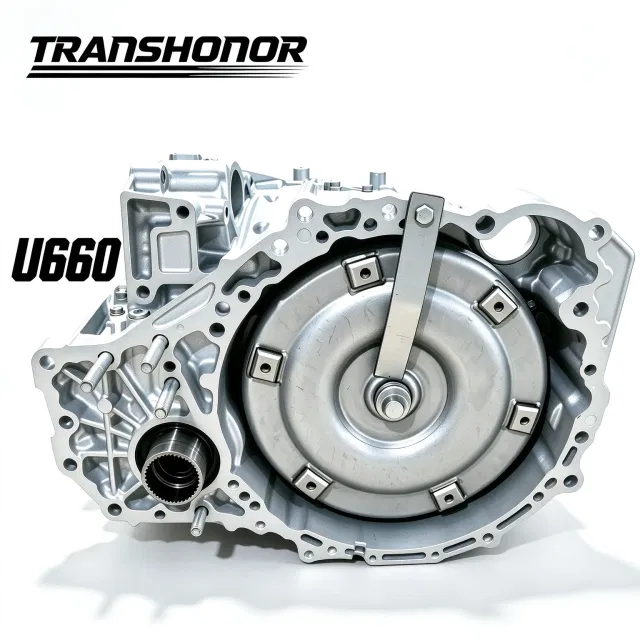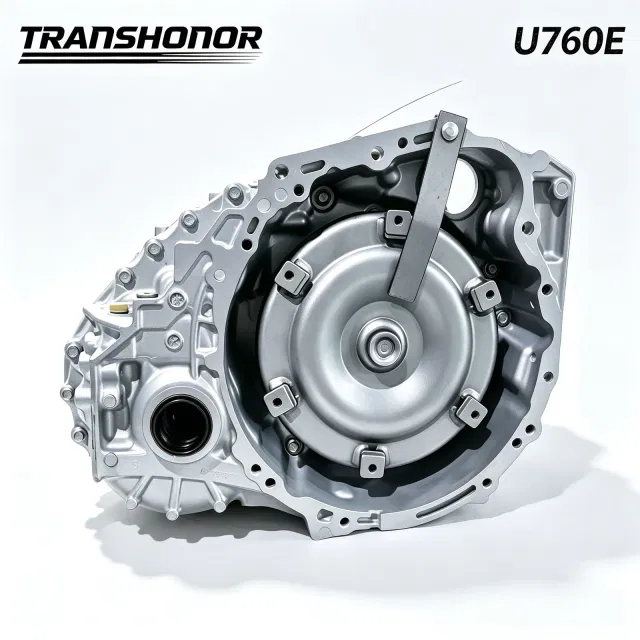
Product Description
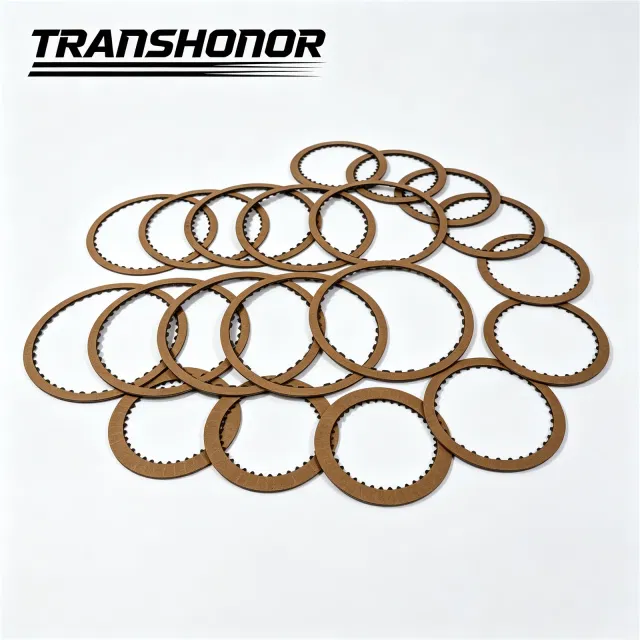
 The U340/U341 B144880A-T automatic transmission friction plate kit serves as an essential repair component for the clutch and brake assemblies within an automatic transmission.
Friction plates are arranged in an alternating pattern with steel plates; under the pressure applied by hydraulic pistons, they are compressed and engaged to facilitate power transmission and gear shifting. The thickness, frictional characteristics, and surface condition of these plates directly influence the effectiveness of the clutch engagement.
After prolonged use, friction plates may experience wear, thermal degradation (scorching), or the detachment of friction material, necessitating inspection and replacement in accordance with established repair standards.
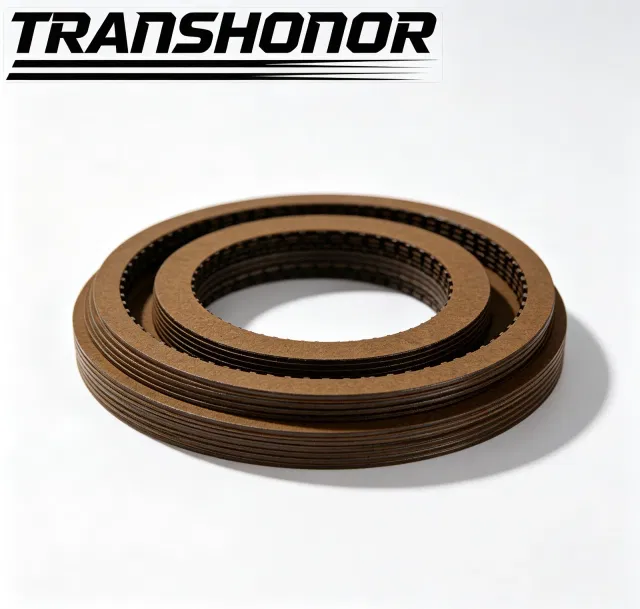
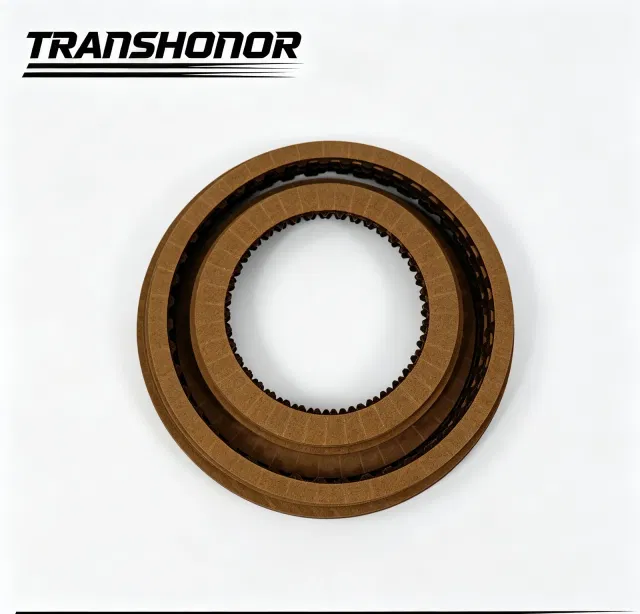
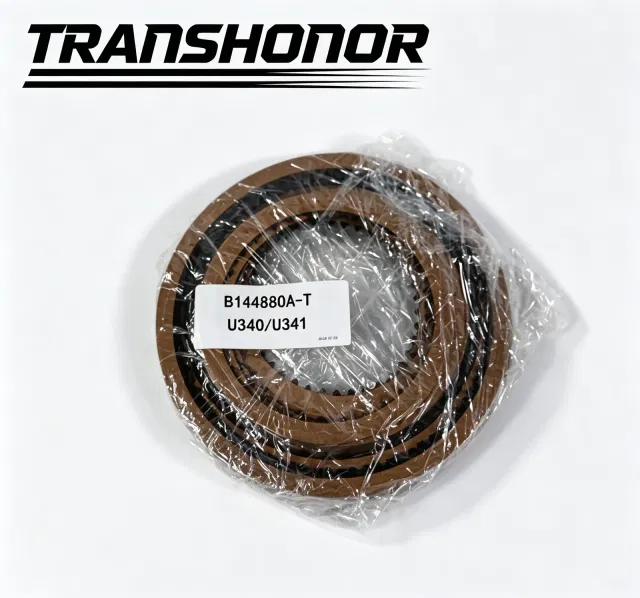
Product Details
Product highlights
Compatible with U340E / U341E series automatic transmissions Designed for use with internal clutch and brake components of automatic transmissions Works in conjunction with steel plates and piston assemblies to facilitate power transmission Supports transmission repair and overhauling Suitable for procurement by repair shops, wholesalers, and parts distributors
Compatible with U340E / U341E series automatic transmissions Designed for use with internal clutch and brake components of automatic transmissions Works in conjunction with steel plates and piston assemblies to facilitate power transmission Supports transmission repair and overhauling Suitable for procurement by repair shops, wholesalers, and parts distributors
Common Repairs and Fault Conditions
1. Friction Disc Wear
Over extended periods of operation, friction material gradually wears down, which can reduce the clutch's engagement capacity and impair power transmission.
2. Friction Disc Ablation (Burning)
Excessive transmission fluid temperature, prolonged clutch slippage, or abnormal hydraulic pressure can cause friction discs to overheat, char, or sustain surface damage.
3. Clutch Slippage
Severe wear or degraded frictional performance can prevent the clutch from transmitting power effectively; this typically manifests as an increase in engine RPM accompanied by slow vehicle acceleration.
4. Shift Shock
Abnormal friction disc condition, incorrect clutch clearance, or issues with the hydraulic control system can lead to harsh gear shifts and unsmooth engagement.
5. Abnormal Gear Engagement
Damage to friction discs within the clutch or brake assemblies can result in delayed gear engagement, slippage, or irregular power transmission.
Installation and Maintenance Recommendations
Before installation, verify that the transmission model is U340E or U341E.
Confirm the product part number is B144880A-T.
Check the quantity, outer diameter, inner diameter, and thickness of the friction discs.
Inspect the mating steel plates for signs of burning, deformation, or scoring.
Ensure the clutch piston and sealing rings are in good condition.
Check the clearances for each clutch assembly according to the service manual.
Perform the required pre-installation preparation for the friction discs as per service specifications.
Use an automatic transmission fluid (ATF) that meets the transmission manufacturer's requirements.
After assembly, verify the hydraulic pressure and shift performance.
During repairs, it is recommended to also inspect the steel plates, pistons, and sealing components to prevent the new friction discs from being damaged again due to issues with other parts.