Product Description
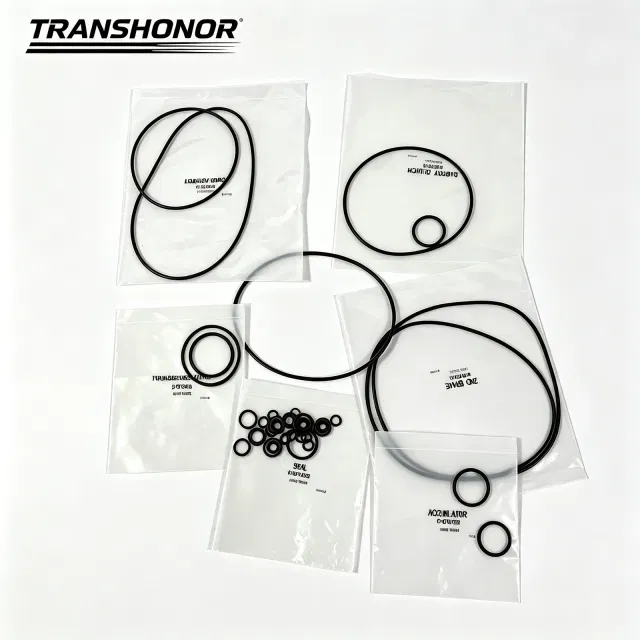
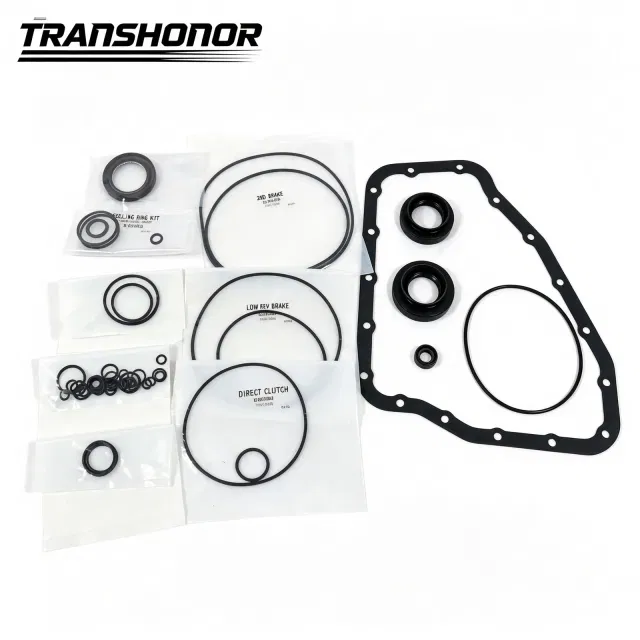
 The U440E K187900B automatic transmission overhaul kit is designed for use during the repair or complete overhaul of an automatic transmission, specifically for the replacement of sealing components.
The kit typically includes a comprehensive set of parts for the transmission's sealing system, allowing for the replacement of aged or damaged gaskets, oil seals, and other sealing components to help restore the internal sealing integrity of the transmission.
Product Details
Product highlights
Compatible with U440E automatic transmissions Designed for internal transmission sealing systems Helps reduce internal hydraulic fluid leakage Supports transmission repair and overhauling Suitable for procurement by repair shops, wholesalers, and parts distributors
Compatible with U440E automatic transmissions Designed for internal transmission sealing systems Helps reduce internal hydraulic fluid leakage Supports transmission repair and overhauling Suitable for procurement by repair shops, wholesalers, and parts distributors
Common Repairs and Fault Scenarios
1. Aging of Rubber Seals
Prolonged exposure to high-temperature automatic transmission fluid (ATF) can cause rubber seals to age and harden, leading to a decline in sealing performance.
2. Internal Hydraulic Fluid Leakage
Worn, deformed, or failed seals can result in internal hydraulic fluid leakage, which negatively affects operating pressure.
3. Delayed Gear Engagement
If internal seal damage leads to insufficient hydraulic pressure, it may cause delays in gear engagement or unsmooth gear transitions.
4. Abnormal Shifting
Unstable internal hydraulic pressure can interfere with the clutch engagement process, resulting in harsh shifts, slippage, or other shifting irregularities.
5. Abnormal Transmission Operating Pressure
Issues within the sealing system can cause a loss of hydraulic pressure, impairing the overall performance of the transmission.
Installation and Maintenance Recommendations
Verify that the transmission model is U440E before installation.
Confirm the product part number (K187B) and cross-reference it with the actual packing list.
Inspect old rubber seals for signs of hardening, damage, or deformation.
Clean the installation area thoroughly to prevent debris from entering the hydraulic system.
Check sealing surfaces on components such as the oil pump, valve body, and pistons.
Ensure that rubber seals are not scratched or twisted during installation.
Follow the procedures outlined in the service manual.
Use only ATF that meets the transmission manufacturer's specifications.
After completing repairs, check for fluid leaks and verify proper shifting performance.
During a major transmission overhaul, it is recommended to inspect all other seals and friction components to avoid the need for repeat repairs caused by leaving old, worn seals in place.