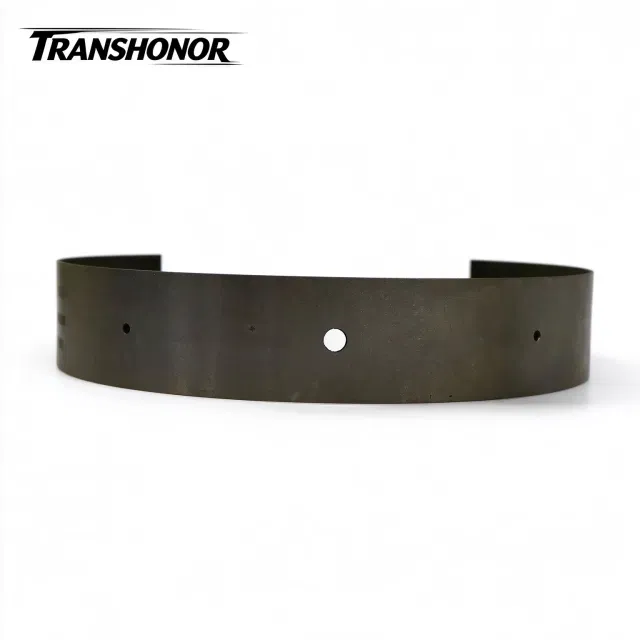
Product Description
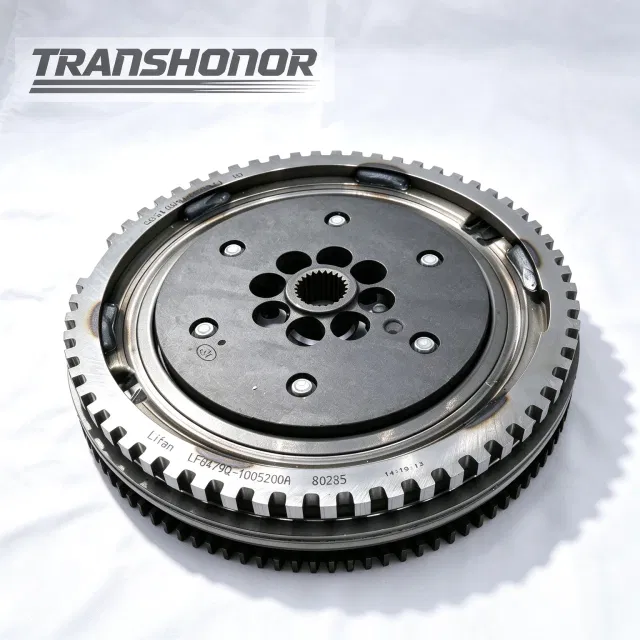
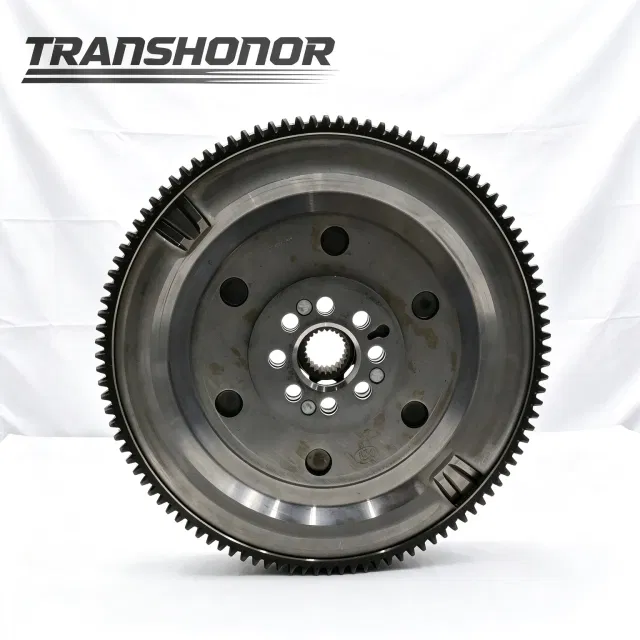
 The T2 / VT3 CVT transmission flywheel serves as the power-coupling component between the engine and the transmission. It is primarily designed to transmit power from the engine and works in conjunction with the starting clutch system located at the transmission input.
This product is compatible with select Geely vehicle models equipped with Punch VT2 / VT3 CVT transmissions and is suitable for transmission repair, replacement, and refurbishment projects.
Hong Ao specializes in automatic transmission assemblies and repair components, providing B2B procurement support to overseas repair shops, wholesalers, and distributors.
Product Details
Product highlights
Power Connection: Connects the engine to the power input system of the CVT transmission. Power Transmission: Transfers power output from the engine to the transmission. Starting System Integration: Works in conjunction with the starting clutch system of VT2/VT3 transmissions. Maintenance and Replacement: Suitable for replacement in cases where the flywheel is worn, deformed, or damaged. Vehicle Compatibility: Designed for specific Geely vehicle models equipped with VT2/VT3 CVT transmissions.
Common Problems & Failure SymptomsThe flywheel is subject to continuous stress from power transmission and vehicle start-up. Over time, it may develop the following issues due to wear, overheating, or improper installation:1. Flywheel Surface Wear: Prolonged friction can cause wear on the working surface, impairing power transmission.2. Flywheel Surface Burn: Sustained high temperatures or abnormal friction can lead to surface discoloration or burning (ablation).3. Flywheel Deformation: Excessive stress or overheating can cause the flywheel to warp or deform.4. Ring Gear Damage: Wear or damage to the teeth of the ring gear can make the engine difficult to start.5. Loose Mounting Bolts: Improper installation can result in abnormal vibration and noise.6. Clutch Judder (Shudder during start-up): Irregularities on the flywheel’s working surface or faults in the starting clutch can cause the vehicle to shudder or jerk when pulling away.Note: Clutch judder may also originate from the clutch assembly, the hydraulic control system, or the engine itself; a thorough inspection is required to determine the exact cause.Installation & Maintenance Recommendations1. Pre-installation Inspection: Check the flywheel surface for cracks, scratches, deformation, or signs of overheating.2. Inspect the Ring Gear: Ensure the starter ring gear is free of missing teeth, wear, or other damage.3. Check Mounting Points: Verify that the mounting holes, alignment features, and bolts are in good condition.4. Inspect Related Components: Examine the starting clutch, the connection point at the engine crankshaft, and all associated mounting hardware.5. Proper Installation: Install the flywheel according to the orientation and bolt-torque specifications provided in the vehicle’s service manual.6. Post-repair Testing: After installation, check for any abnormal vibration or noise during engine start-up, idling, vehicle take-off, and while driving.