Product Description
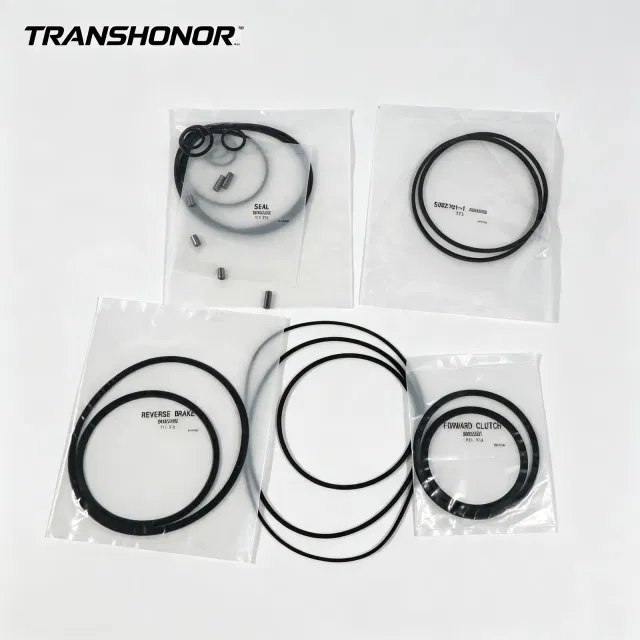
 The VT3-K082B CVT transmission rubber seal kit is a collection of sealing components used during transmission overhauls. It is primarily designed to provide seals for internal oil circuits, hydraulic control components, and various connection points within the transmission.
Because these rubber seals are constantly exposed to transmission fluid and fluctuating temperatures, they may eventually age, harden, deform, or suffer from a loss of sealing effectiveness. Replacing these components helps restore the internal sealing integrity of the transmission.
Hong Ao offers a range of seal repair kits for VT-series CVT transmissions, catering to overseas transmission repair shops, wholesalers, and parts distributors.
Product Details
Product highlights
Sealing Protection: Provides sealing for specific internal components within the transmission. Leakage Prevention: Helps maintain a secure seal for oil circuits and connection points. Replacement: Suitable for replacing rubber rings that have aged, become deformed, or sustained damage. Model Compatibility: Please verify the part against the VT3-K082B specification and the corresponding part number. Repair and Overhaul: Intended for use in the repair and refurbishment of CVT transmissions.
Sealing Protection: Provides sealing for specific internal components within the transmission. Leakage Prevention: Helps maintain a secure seal for oil circuits and connection points. Replacement: Suitable for replacing rubber rings that have aged, become deformed, or sustained damage. Model Compatibility: Please verify the part against the VT3-K082B specification and the corresponding part number. Repair and Overhaul: Intended for use in the repair and refurbishment of CVT transmissions.
Common Repairs and Failure SymptomsAfter prolonged use, transmission rubber seals may experience a decline in sealing performance due to high temperatures, fluid degradation, and long-term compression.
Common Failure Symptoms:1. Rubber Seal Aging: The seal loses its elasticity, resulting in reduced sealing capability.2. Seal Hardening: Long-term exposure to high temperatures can cause the seal to harden and become brittle.3. Seal Deformation: Sustained pressure can lead to deformation, compromising the seal's effectiveness upon installation.4. Hydraulic Fluid Leakage: Damaged seals can cause internal or external fluid leaks.5. Abnormal Hydraulic Pressure (Low Pressure): Internal seal leakage can negatively affect hydraulic system pressure.6. Abnormal Shifting: Insufficient hydraulic pressure may cause harsh shifts, jerking, or other transmission irregularities.7. Transmission Slipping: Internal hydraulic leakage can interfere with the proper operation of clutches and transmission mechanisms.Note: The symptoms listed above may also be caused by issues with the oil pump, valve body, solenoid valves, or other hydraulic components; a proper diagnosis should be based on comprehensive testing results.Installation and Maintenance Recommendations1. Pre-installation Verification: Confirm the VT3-K082B model (and corresponding part number), and verify the dimensions, quantity, and configuration of the rubber seals.2. Inspect Old Seals: Check for signs of hardening, cracking, swelling, deformation, or damage.3. Clean Installation Surfaces: Remove any sludge, debris, or remnants of old seal material from the seal grooves.4. Proper Installation: Ensure the seals are not stretched, twisted, or crushed during installation to prevent damage.5. Inspect Mating Components: Check pistons, valve bodies, oil pumps, and seal grooves for scratches or abnormal wear.6. Use Specified Fluid: Always use the CVT fluid recommended in the service manual for the specific VT3 version. 7. Post-repair inspection: Check for fluid leaks and the operating status of the hydraulic system.
Common Failure Symptoms:1. Rubber Seal Aging: The seal loses its elasticity, resulting in reduced sealing capability.2. Seal Hardening: Long-term exposure to high temperatures can cause the seal to harden and become brittle.3. Seal Deformation: Sustained pressure can lead to deformation, compromising the seal's effectiveness upon installation.4. Hydraulic Fluid Leakage: Damaged seals can cause internal or external fluid leaks.5. Abnormal Hydraulic Pressure (Low Pressure): Internal seal leakage can negatively affect hydraulic system pressure.6. Abnormal Shifting: Insufficient hydraulic pressure may cause harsh shifts, jerking, or other transmission irregularities.7. Transmission Slipping: Internal hydraulic leakage can interfere with the proper operation of clutches and transmission mechanisms.Note: The symptoms listed above may also be caused by issues with the oil pump, valve body, solenoid valves, or other hydraulic components; a proper diagnosis should be based on comprehensive testing results.Installation and Maintenance Recommendations1. Pre-installation Verification: Confirm the VT3-K082B model (and corresponding part number), and verify the dimensions, quantity, and configuration of the rubber seals.2. Inspect Old Seals: Check for signs of hardening, cracking, swelling, deformation, or damage.3. Clean Installation Surfaces: Remove any sludge, debris, or remnants of old seal material from the seal grooves.4. Proper Installation: Ensure the seals are not stretched, twisted, or crushed during installation to prevent damage.5. Inspect Mating Components: Check pistons, valve bodies, oil pumps, and seal grooves for scratches or abnormal wear.6. Use Specified Fluid: Always use the CVT fluid recommended in the service manual for the specific VT3 version. 7. Post-repair inspection: Check for fluid leaks and the operating status of the hydraulic system.